Charcoal
#32383E
A reserved dark option for housings and mechanical details.



The same target can look different across base materials, surface textures, coating thicknesses and batches. Define the viewing or measurement conditions and acceptance reference for the project rather than assuming a screen image or shared color code will match every part.
A shared color target works only with an agreed compatible finish, physical reference and permissible variation. RAL or Pantone designations, images and samples identify the requested target; they do not promise an equivalent result on every material or process.
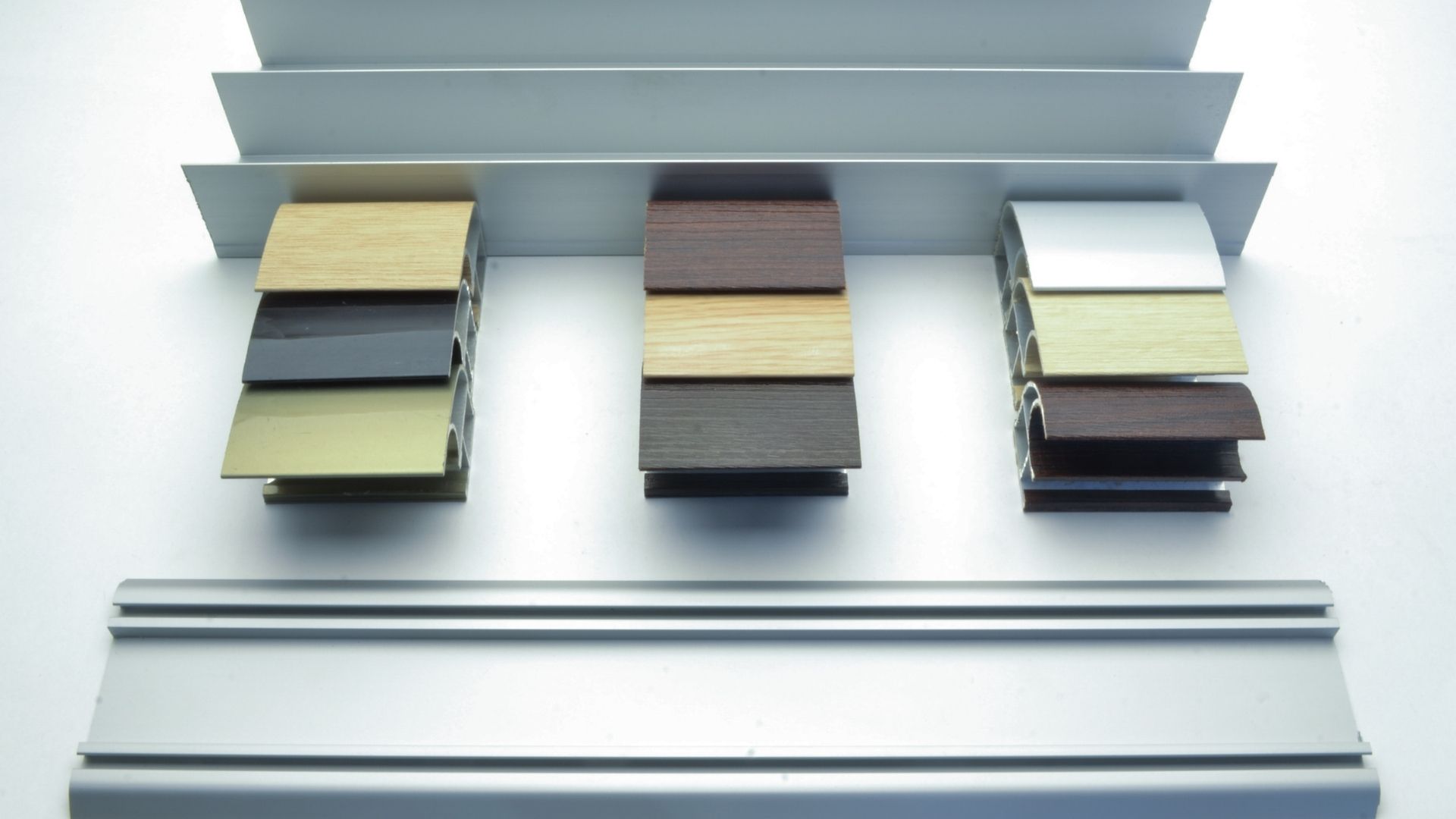
They are not RAL/Pantone equivalents, coating recipes, material samples or approved production colors. Confirm the actual substrate, texture, gloss and process with a physical sample and agreed acceptance conditions.
#32383E
A reserved dark option for housings and mechanical details.
#616971
A mid-tone neutral that highlights machined texture.
#B9C0C4
A light metallic direction for clean industrial products.
#E9E7DF
A soft neutral for coated enclosures and visible panels.
#246A96
A clear accent direction for branded parts.
#BD5946
A warm accent for product identity and detail pieces.
Finishing selection depends on material, preparation, geometry, exposure and desired appearance. The thickness figures below are process references; the order requires a confirmed specification, compatible substrate and agreed work.

For compatible aluminum grades, the documented film references are Type II 8–15 µm and Type III 25–50 µm. Alloy and preparation affect appearance; prepare a sample using the proposed anodizing process, reserve or mask critical fits, and agree the color and final thickness for the drawing.

The powder-film reference is 60–100 µm on suitably prepared aluminum or cold-rolled steel. Confirm pretreatment, coating system, texture, gloss, edge effects and masked areas; a broad palette description does not guarantee every requested color or batch match.

Paint performance and appearance depend on the paint system, substrate, preparation, color, gloss, texture, film thickness and service conditions. Compatibility is reviewed and a representative sample approved. No universal thickness or all-material color guarantee is assumed.
The target is defined by material, finish, color, critical faces and permitted variation. We can sign an NDA upon request before you share design files.
A process proposal brings together compatibility, pretreatment, fit allowances, sample plan and quantity. The quotation and schedule confirm the agreed work; tooling and other quantities are planned separately.
Sample approval uses an agreed physical reference and viewing conditions. Where measured color acceptance is required, the method, conditions and tolerance are specified in the quotation before production.
A repeatable appearance reference records the approved sample, substrate, gloss, texture, batch and accepted variation. Later batches and material or process changes need reassessment; the same code does not ensure an identical result.
A screen swatch or image is a digital planning reference. Approve the actual finish against an agreed physical standard or sample, with the substrate, gloss, texture and viewing or measurement conditions defined.
Different substrates, preparation, gloss and finishing processes can produce visible differences even with a shared target. Representative samples should be approved together, with permissible variation stated before release.
We can sign an NDA upon request before you share design files. Provide the required 3D design file; a 2D drawing is recommended. Include material, areas to finish/mask, color standard or physical sample, gloss, texture, acceptance criteria and quantity. Sample inspection reports are free; full inspection and FAI reports are charged.
