


Custom Laser Cutting Services
Custom laser-cut metal parts for prototypes and repeat orders. Send the required 3D design and recommended 2D details for review of material, thickness, critical dimensions and finishing before quotation.
























Let's start a new laser cutting project!

Upload Your CAD Files for Fast DFM & Quote
.step.iges.stl.pdf.dwg
Plan Your Laser-Cut Metal Parts
Sheet grade, edge requirements and inspection needs determine the cutting plan. The items below define project inputs; they do not claim that every laser-source type is installed.

Sheet & Material Grade
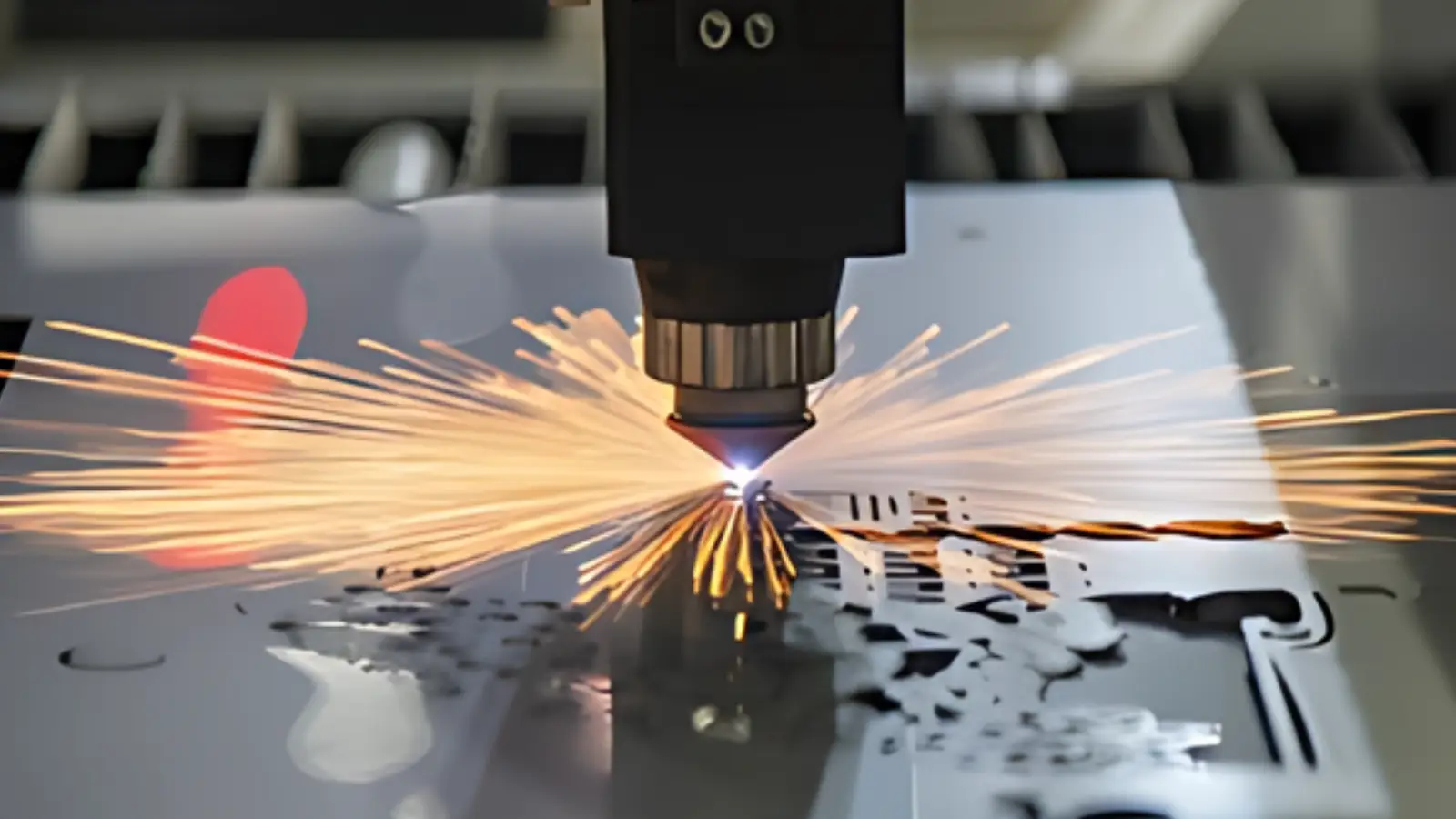
Alloy grade, governing standard, thickness and supplied surface condition establish the material review. The capability table gives metal-specific limits, while availability and usable sheet layout are confirmed for the quotation.

Sheet grade
Thickness and stock
Cut layout

Edges & Secondary Operations
Cosmetic edges, burr removal and later bending, welding or coating affect the cut plan and edge preparation. Those requirements must be marked; a clean-cut description alone does not define the finished assembly.
Visible edges
Burr requirements
Downstream fabrication
Quantity & Inspection
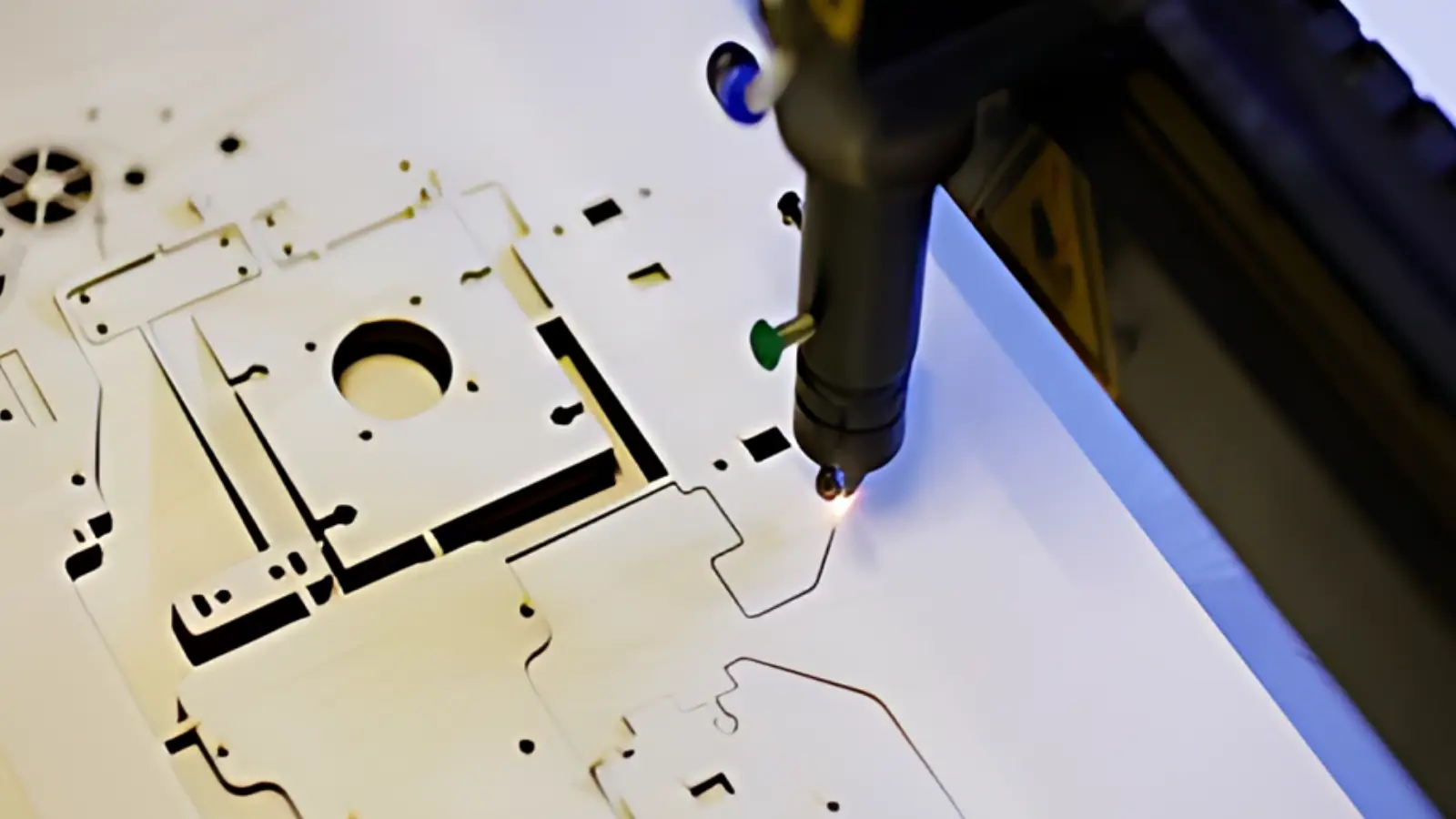
Order quantity, critical dimensions and reporting needs define the inspection discussion. The quotation records the agreed inspection scope and acceptance criteria; sampling inspection reports are free, while full-inspection and FAI reports are charged.
Drawing requirements
Order quantity
Inspection scope
LEAD MFG Laser Cutting Capabilities
The table separates standard cutting references from best-case conditions and downstream fabrication limits. Apply the stated material, thickness and inspection conditions to the drawing; cutting accuracy does not define every assembly dimension.
Parameter | Capability | Conditions |
|---|---|---|
Sheet size for laser cutting | 4000 × 2000 mm or 3000 × 1500 mm | Depends on the selected cutting platform and sheet format. |
Material thickness | Laser cutting 0.1–20 mm; bending 0.5–6.0 mm | Material-specific laser limits include steel ≤20 mm and stainless steel ≤12 mm; bending reference uses 110T. |
Cut dimensions | Standard ±0.020 mm; best ±0.010 mm | Best requires thin sheet and nitrogen cutting; cutting tolerance is not assembly tolerance. |
Hole repeatability / kerf | Hole repeatability ±0.010 mm; kerf 0.15–0.25 mm | Best hole repeatability ±0.005 mm requires small-hole, slow-cut conditions. |
Minimum cut hole | ≥0.5×sheet thickness and ≥Ø0.5 mm | Smaller holes require drilling review; both limits apply. |
Minimum web / slot | Web 0.5×sheet thickness; slot 0.5 mm | Check heat input, material and feature stability. |
Cut-part flatness | Standard 0.5 mm / 500 mm; best 0.2 mm / 500 mm | This is cut-part flatness, not a formed or welded assembly specification. |
Cut-edge roughness | Ra 1.6–3.2 µm | Nitrogen-cut reference; material and thickness affect the cut edge. |
Metal Grades & Other Material Requests
Plastic, composites and wood require separate process review; the metal-cutting limits do not apply to them.
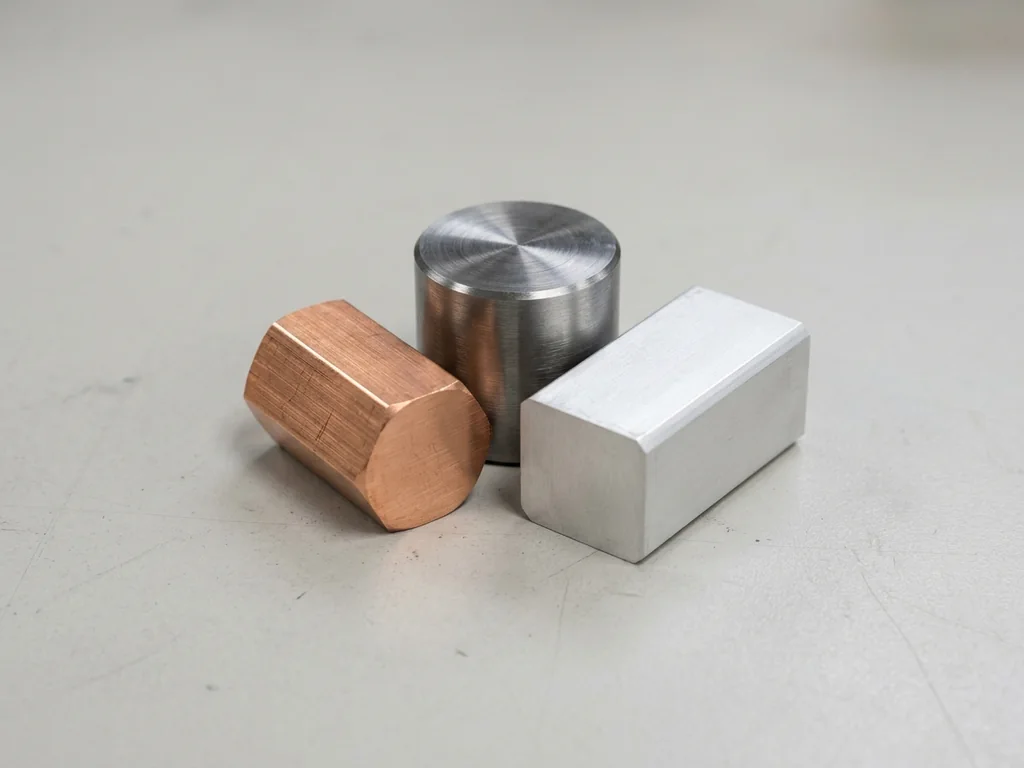
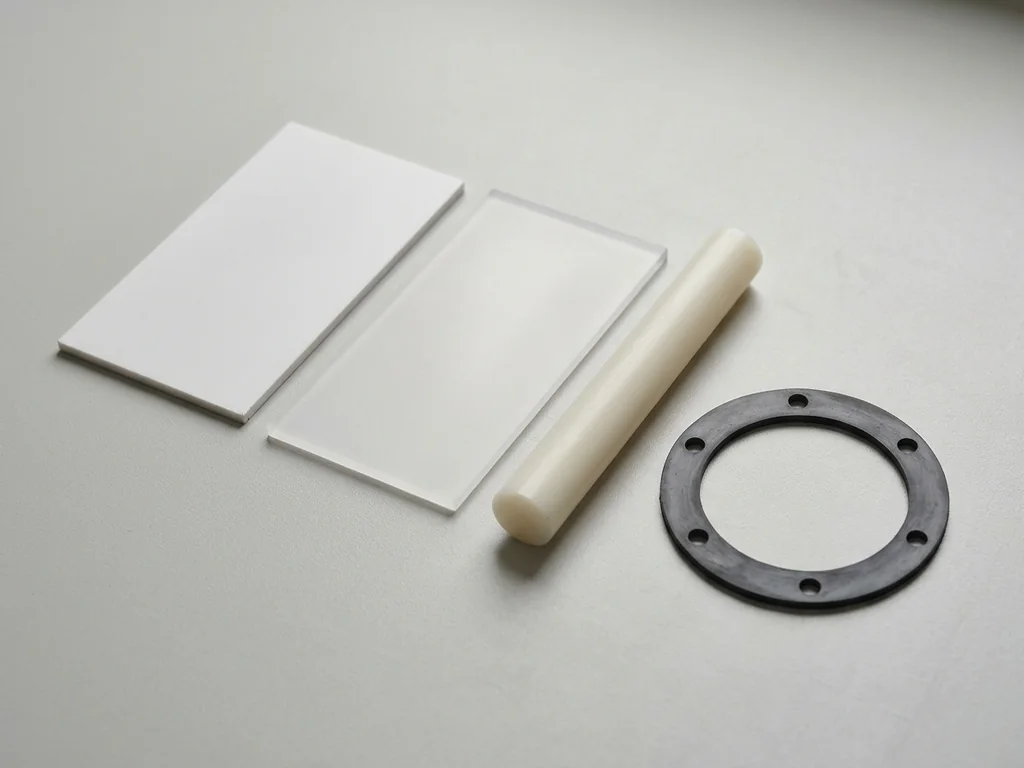

Laser Cutting Edge and Finishing Review
Cut edges and secondary work depend on the metal grade, thickness, geometry and intended use. These are planning topics; the quotation defines the included operations and inspection criteria. Images illustrate finished parts rather than process records; cutting and secondary work are quoted separately.

As-Cut Edge
As-Cut Edge
Specify material, thickness, visible edges and the acceptable burr or dross condition. Assist gas and cutting parameters affect the resulting edge.

Deburring and Edge Break
Deburring and Edge Break
Identify sharp edges, cosmetic surfaces and areas that must retain their shape. Review edge preparation and acceptance separately for the selected metal.
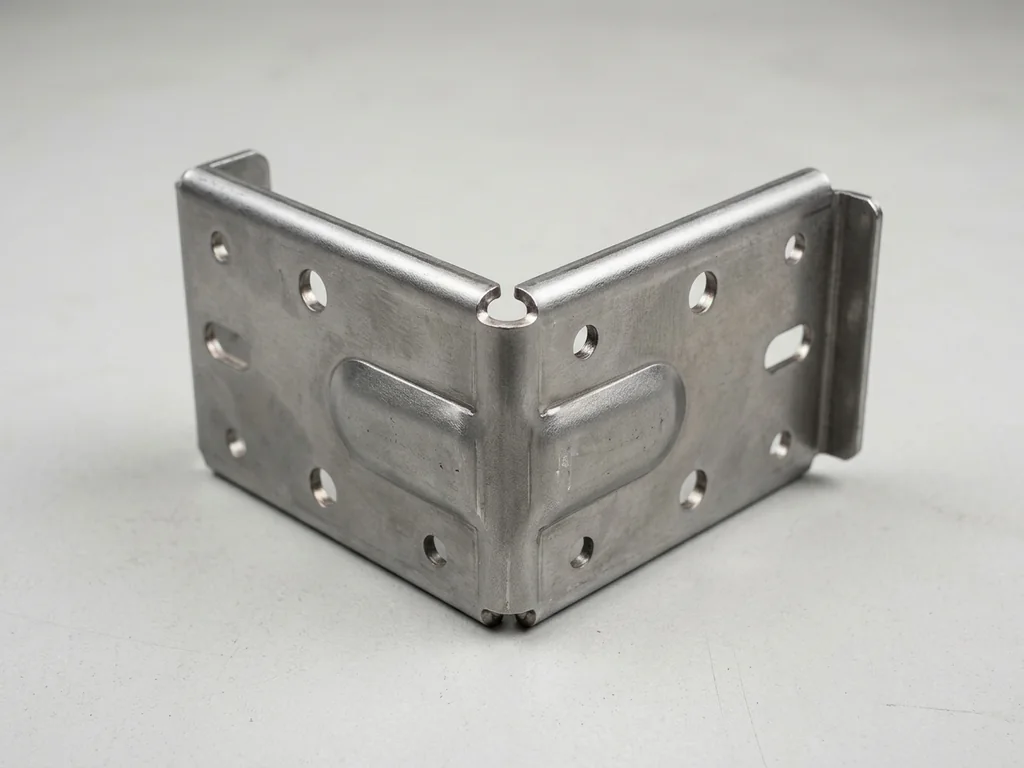
Bending and Joining
Bending and Joining
For bent or joined parts, define bend lines, hole-to-bend distances and mating datums. Cutting tolerances do not establish final assembly tolerances.
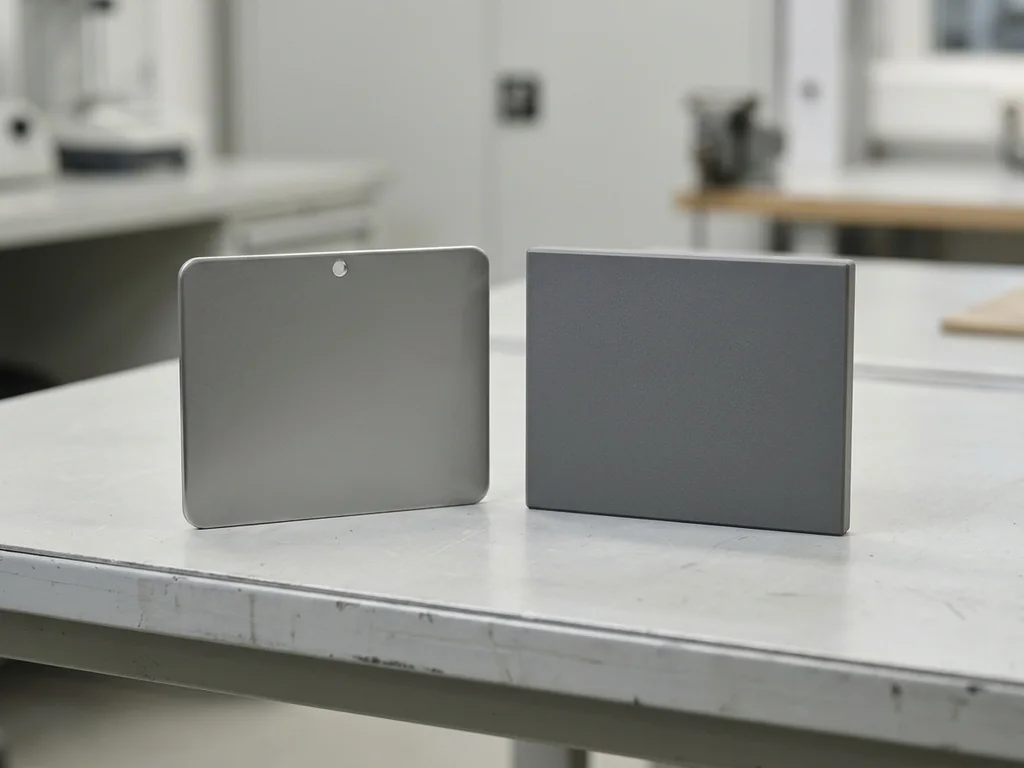
Coating and Other Finishes
Coating and Other Finishes
Specify the substrate, surface preparation, color, masked faces and acceptance criteria. Finishing availability and any dimensional allowance are reviewed for the project.





Industry slide guide: 1: Aerospace; 2: Automotive; 3: Automation; 4: Medical Devices; 5: Robotics; 6: Consumer Products.
Laser Cutting for Aerospace
For sheet-metal parts, define the alloy, critical profiles, traceability and acceptance requirements. Laser cutting alone does not establish qualification for flight.
View industryLaser Cutting for Automotive
For panels, brackets and enclosure blanks, define sheet grade, thickness, mating features and inspection needs.
View industryLaser Cutting for Automation
For equipment panels and brackets, provide mounting interfaces, stock grade, thickness and downstream forming requirements.
View industryLaser Cutting for Medical Devices
For an equipment component, specify the metal grade, critical edges, cleaning and documentation. Application qualification requires separate review.
View industryLaser Cutting for Robotics
For brackets and sheet-metal covers, define mounting datums, material, bend requirements and critical profiles.
View industryLaser Cutting for Consumer Products
For panels and enclosures, identify visible faces, edge quality, finish and mating requirements before quotation.
View industryFrequently asked questions
Answers on materials covered, cutting references, bending, markings, quotation and production scheduling. Share the drawing requirements for a project-specific discussion.
How accurate is your laser cutting service?

The standard cut-dimension reference is ±0.020 mm; best-case ±0.010 mm requires thin sheet and nitrogen cutting. Hole repeatability is ±0.010 mm, with best-case ±0.005 mm for small holes at reduced speed. Drawing datums and the inspection method must be agreed separately from bending or assembly tolerances.
What is the thickest flat sheet you can laser cut?
Laser-cutting thickness depends on the material: the process data lists carbon steel from 0.1 to 20 mm and stainless steel from 0.1 to 12 mm. State the grade, thickness, cut-face requirements and feature sizes for review. Aluminum, copper and other grades need their own thickness and process assessment.
Can I bend the material besides laser cutting it?
CNC bending can be assessed with laser-cut blanks. Provide the 3D model, internal bend radii, bend sequence and reference edges. The published bend-length reference is 2000 mm; tooling access, sheet grade, thickness and geometry determine the actual plan.
How is the production schedule agreed?
For 10–100 parts, typical production takes 3–10 business days from quotation confirmation. Other quantities need a project schedule based on material, geometry, finishing and inspection. Expediting is normally unavailable; urgent exceptions require confirmation. Cutting time alone is not the order lead time, and transit is separate.
How much does laser cutting cost?
Quotation depends on the material grade and thickness, part size, contour length, quantity, secondary operations, finish and inspection scope. Send the required 3D design with recommended 2D details and a part list. The DFM work to be provided and any charges are agreed for the project.