


Manufacturing Support for Hardware Startups
Turn your current CAD into a defined prototype or pilot-build quotation. Make the build answer a specific question about fit, assembly, appearance or a drawing-defined feature.
Drawing-led manufacturing review
Prototyping to production
Material and process review
Project-specific inspection
Share your drawings for review
Schedule confirmed per project
Why Manufacture Hardware Startup Components With LEAD MFG?
A physical build can reveal fit, assembly and handling issues. Decide which questions the sample can answer before choosing its material and manufacturing process.

Component Context
We review your current files and manufacturing requirements for quotation. Product design authority, test planning, software and regulatory approval remain with your team and appointed specialists.

Drawing and Material
Define the current drawing, material and critical features for a project-specific manufacturing review.

Manufacturing Process Review
The process, quantity, tooling and inspection scope are confirmed for each component.

Qualification Requirements
Identify project-specific qualifications, tests and acceptance evidence before placing the order.
Manufacturing Process Review
The process, quantity, tooling and inspection scope are confirmed for each component.
Qualification Requirements
Identify project-specific qualifications, tests and acceptance evidence before placing the order.

Hardware Startup Prototyping and Manufacturing with LEAD MFG
These stages are planning topics, not a fixed development package. Each order needs defined deliverables, acceptance criteria and release authority.
Review critical dimensions and material
Define inspection and acceptance requirements
Confirm process, quantity and production schedule
Examples of project topics for discussion
Concept and fit checks
Functional prototypes
Pilot builds
Ongoing production
Parts for functional and assembly checks
Feedback on manufacturing constraints
A path toward a stable production reference
Wall thickness and feature access
Assembly and fastening details
Tolerances, finishes, and critical surfaces
An iterative path with clear decisions
Start With Your Drawing
We can sign an NDA upon request before you share design files. Provide the current revision, part function and the questions the next build must answer.
The next order needs an approved revision, identified critical features, an appearance reference and agreed inspection scope.

01
Share the current design
We can sign an NDA upon request before you share design files. Provide the current revision, part function and the questions the next build must answer.
02
Select the manufacturing process
Material, process, quantity and the validation goal need agreement. A manufacturing proposal does not establish finished-product safety, regulatory compliance or market readiness.
03
Review and revise
Fit, appearance and agreed component checks provide the basis for evaluating a build. Revised requirements need recording before the next build is requested.
04
Prepare for repeatability
The next order needs an approved revision, identified critical features, an appearance reference and agreed inspection scope.
Processes that can evolve with the design
The next build may need a different material or process. Review the effects on geometry, tooling, finish and acceptance rather than assuming a prototype manufacturing process can be used unchanged.

CNC machining
Functional-part evaluation considers drawing tolerances, tool access, workholding and required finish together.
Explore process →
3D printing
SLA is the confirmed in-house printing method for form and assembly studies. Other printing methods require a project-specific review of the process and supply arrangements; printed substitutes do not automatically match production material properties.
Explore process →
Molding and tooling
Resin, part geometry, tooling and acceptance requirements need review before molded production is committed.
Explore process →
Engineering Possibilities
These stages are planning topics, not a fixed development package. Each order needs defined deliverables, acceptance criteria and release authority.

Concept and fit checks
Create physical parts to evaluate size, interfaces, and basic handling while the design is still flexible.

Functional prototypes
Intended mechanical checks guide material and process selection. Differences between the sample and eventual production part need to be recorded.

Pilot builds
Align the drawing revision, material, finish, inspection criteria and any tooling requirements before ordering pilot parts.
Ongoing production
Repeat manufacture follows the approved revision and order-specific requirements. Design, material, tooling and supplier changes need review before release.
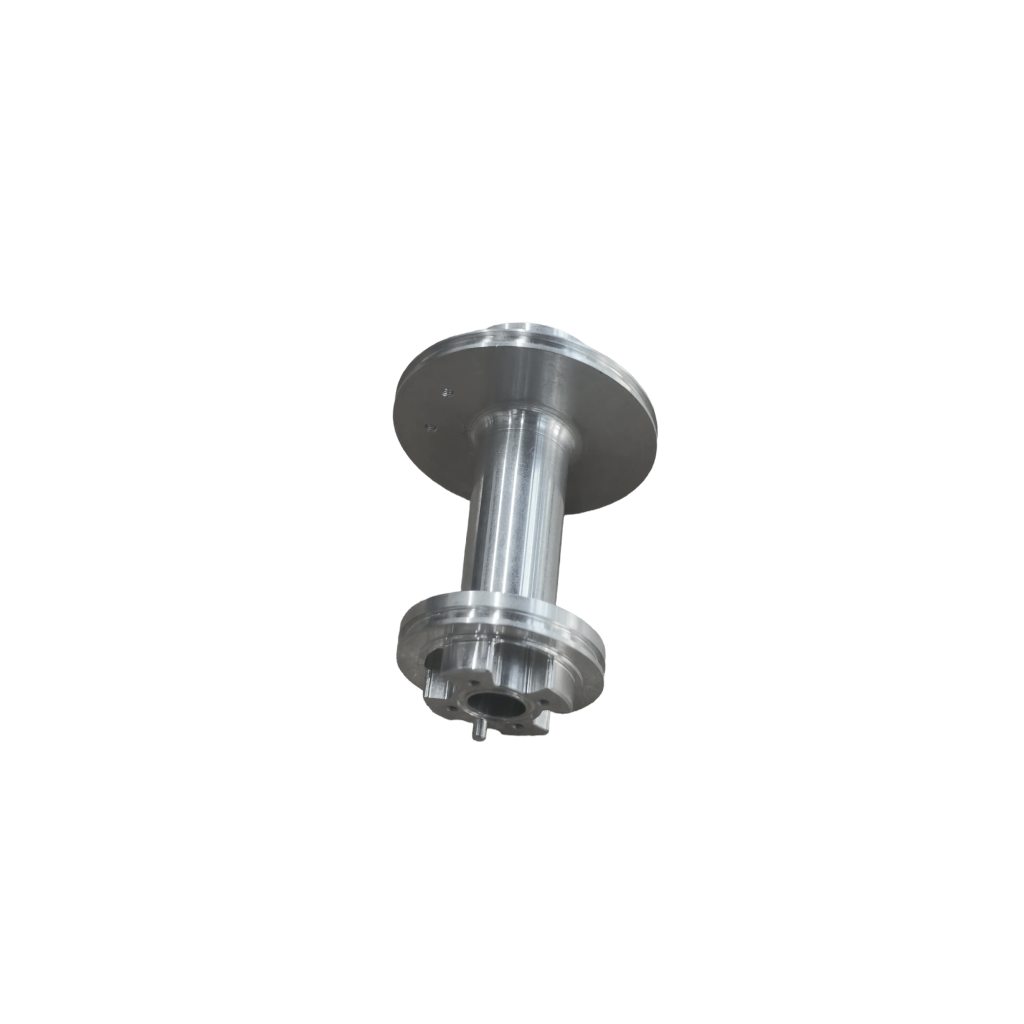
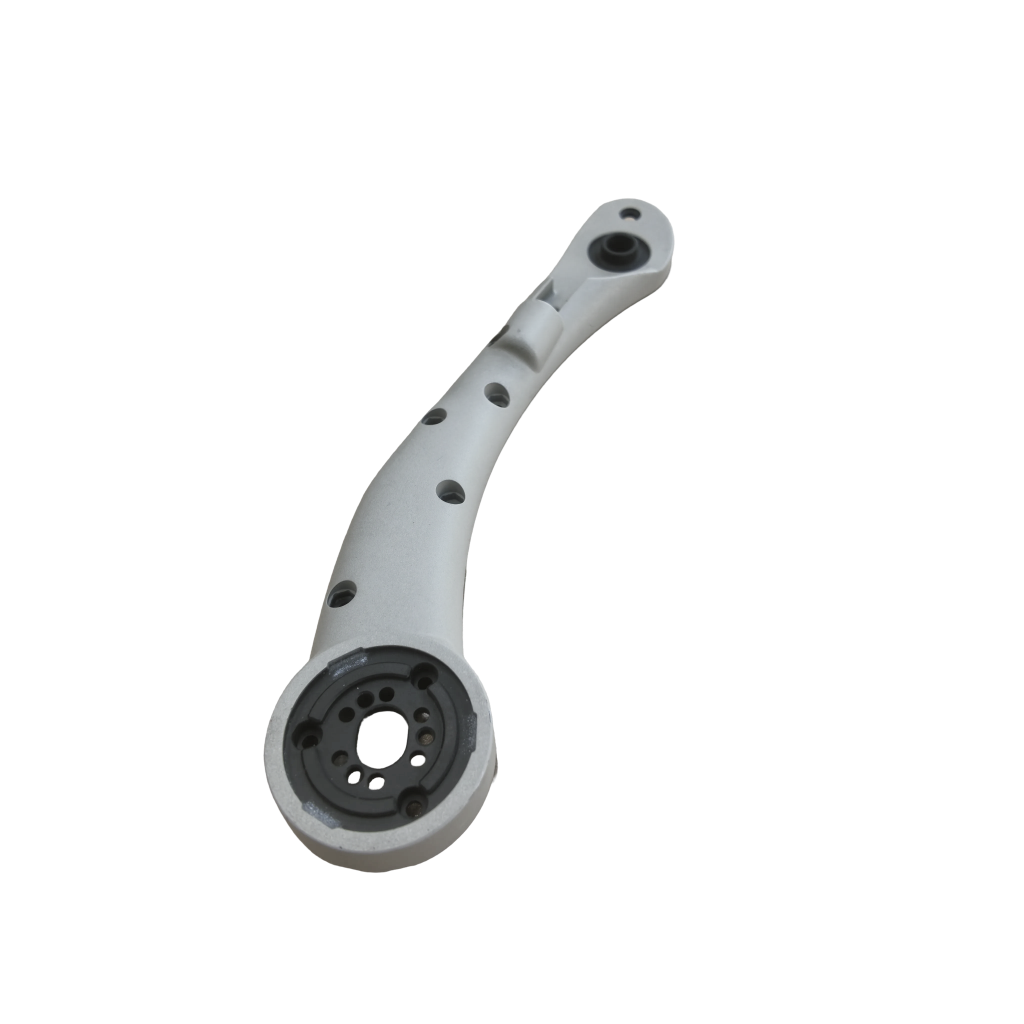

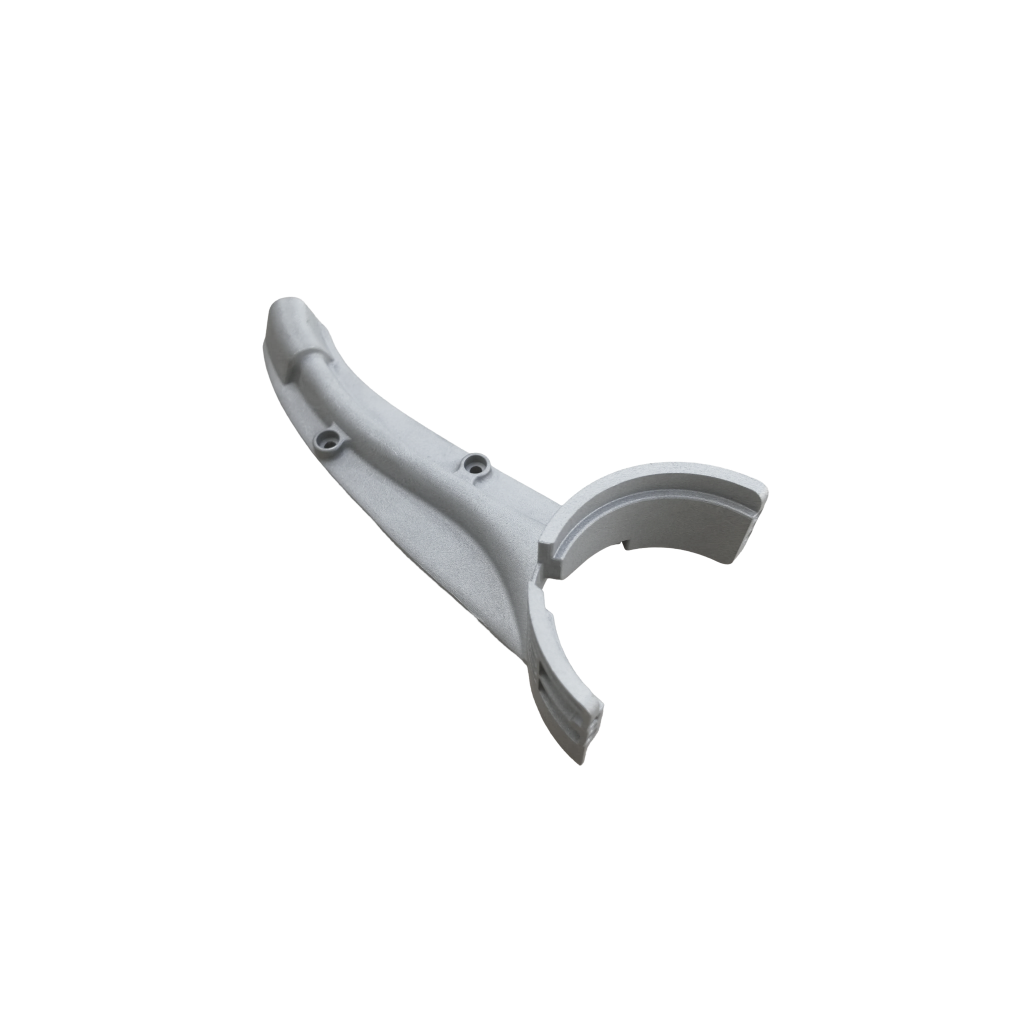
Material Library
We offer a wide range of material options across our processes. Common material references for hardware startup projects:
Metals & plastics
100+
Surface finishes
50+
Traceability
Mill certs on request
On smaller screens, scroll horizontally to view all columns.
Material | Best Process | Typical Component Use |
|---|---|---|
Aluminium 6061-T6 | CNC machining, rapid tooling | Brackets, housings, jigs |
Aluminium 7075-T6 | CNC machining, rapid tooling | Structural brackets, fixtures |
Steel 4130 | CNC machining, sheet metal | Frames, mounts |
Stainless 17-4PH | CNC machining, metal 3D printing* | Shafts, fasteners, sensor bodies |
Magnesium AZ31 | CNC machining | Lightweight housings |
ABS | CNC machining, injection molding | Enclosures, covers |
Polycarbonate (PC) | CNC machining, injection molding | Lenses, light guides |
PC/ABS | Injection molding | Housings, panels |
PA66-GF30 | Injection molding | Structural housings |
POM (Delrin) | CNC machining | Bushes, clips, gears |
TPU 95A | Molding; SLS route assessed separately | Seals, grommets, boots |
Silicone | Liquid silicone injection molding | Gaskets, dust boots |
Processes and applications are typical references. Material availability, documents and the production route are confirmed for each project. SLS and metal 3D printing require separate supply and feasibility assessment.
Surface Finishes
Finish selection starts from the drawing’s appearance and functional requirements. Material compatibility, dimensional effects and inspection requirements need confirmation before the finish is agreed.

As Machined
As Machined
An as-machined finish retains machining marks. Specify visible faces, surface roughness, deburring and edge treatment for the part.
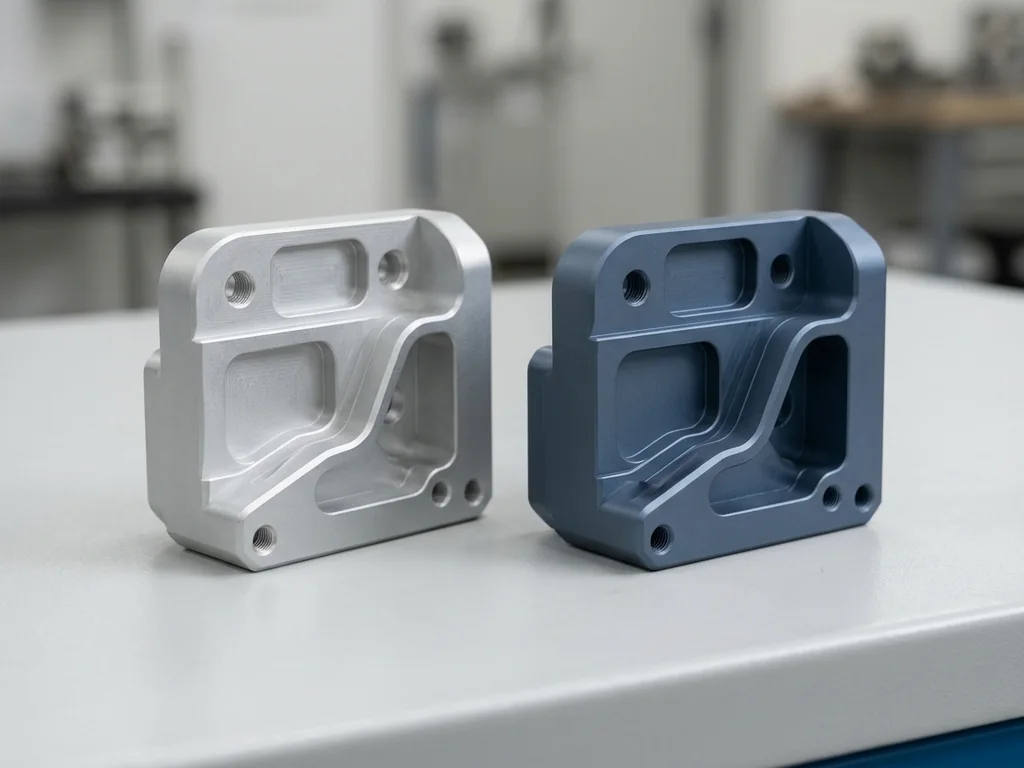
Anodizing
Anodizing
For suitable aluminum grades, specify anodizing type, color and masked functional faces. Film allowance and an agreed appearance sample belong in the drawing and quotation.

Polishing
Polishing
Polishing is reviewed against the substrate, desired appearance and dimensional allowance. Identify visible faces and acceptance requirements before specifying a high-gloss surface.
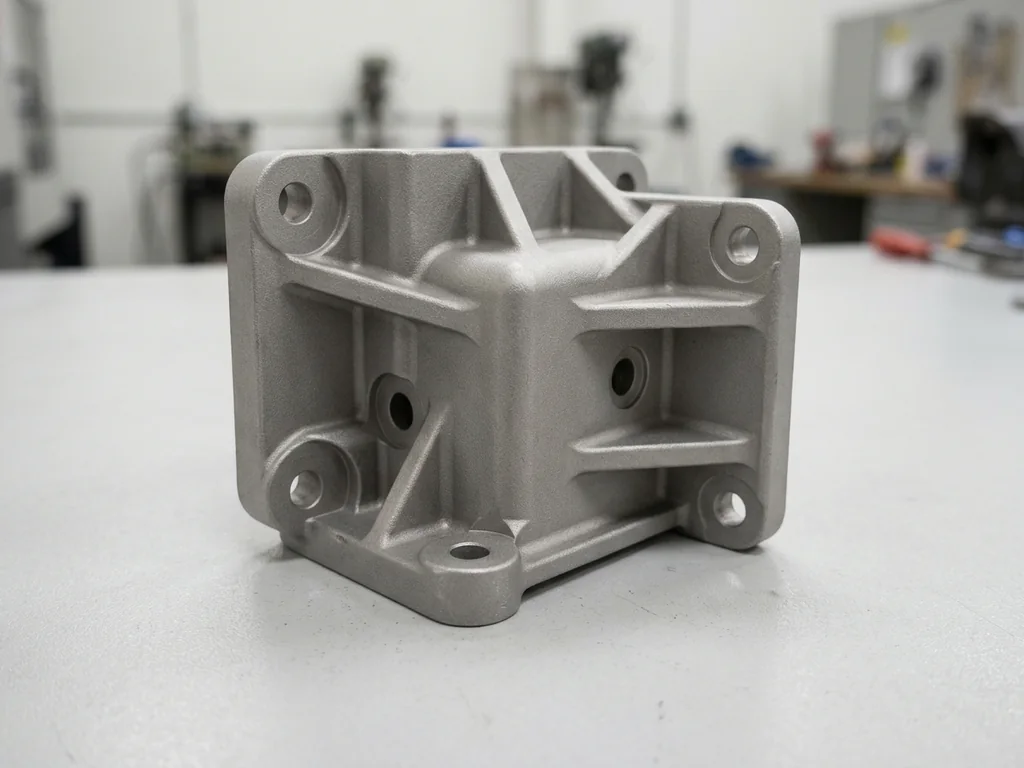
Sand Blasting
Sand Blasting
Blasting changes surface texture. Define the media or texture target, visible faces and areas to mask, especially threads and mating surfaces.
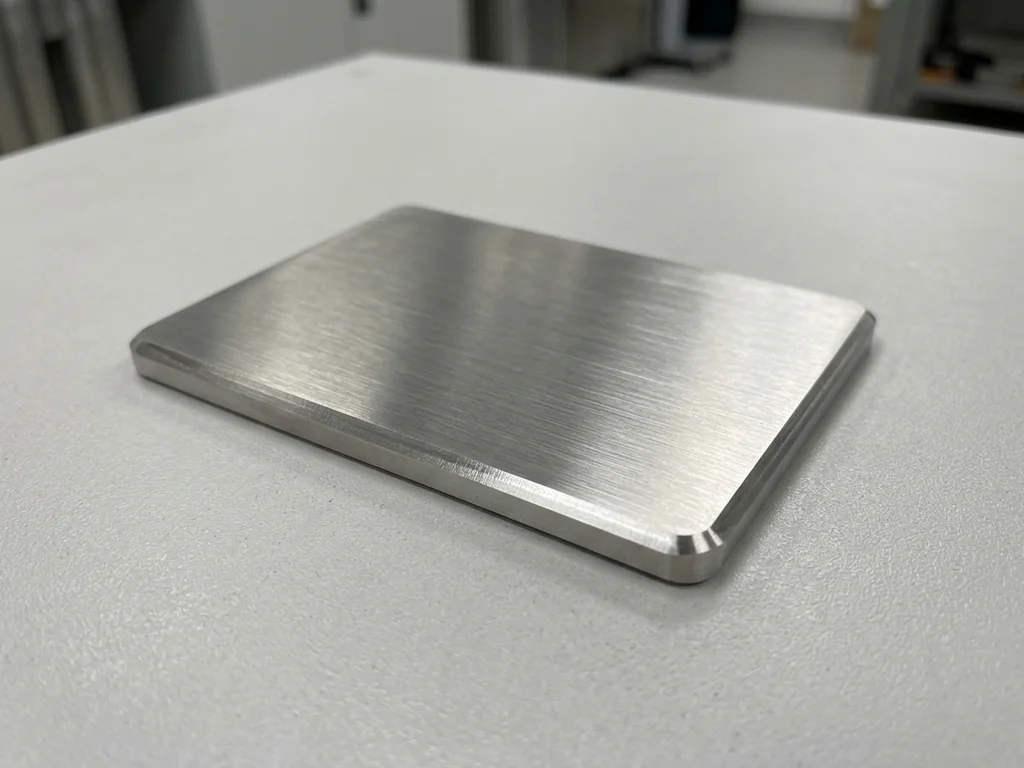
Brushed Finish
Brushed Finish
A brushed finish has a direction. Mark the grain direction, visible faces and texture requirement so the finished surfaces can be assessed together.
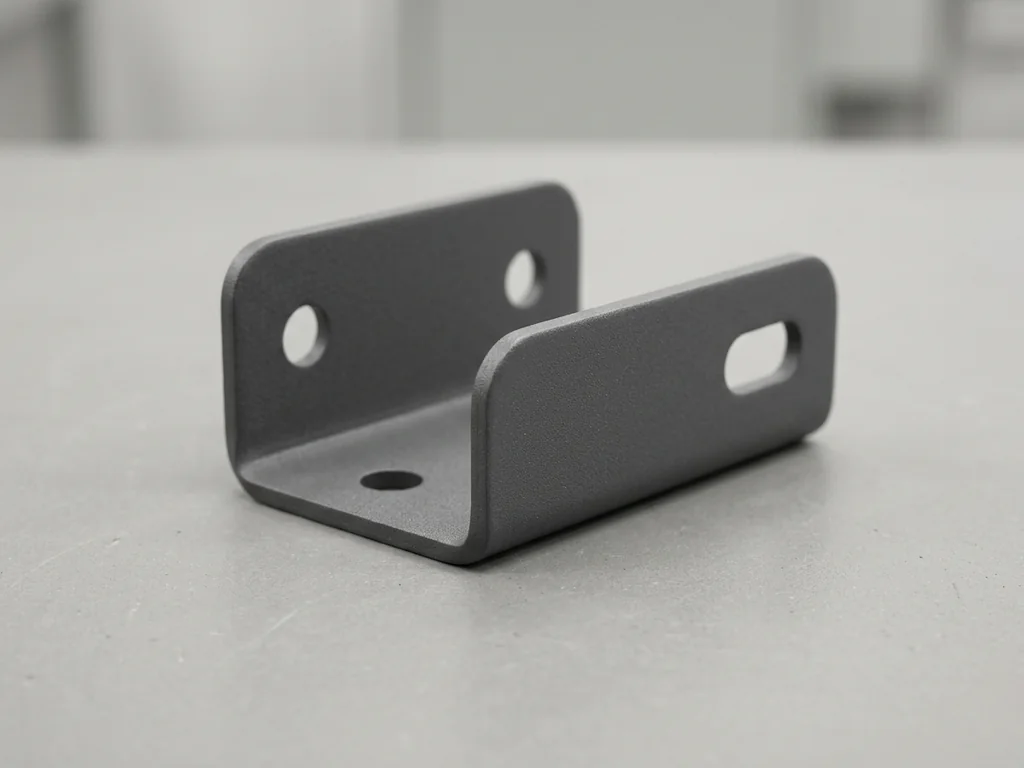
Powder Coating
Powder Coating
For powder coating, specify the substrate, color, texture, film requirement and masked areas. Coating allowance and sample acceptance are part of the quotation.

Electroplating
Electroplating
For a plated finish, state the substrate, coating system, thickness requirement and masked functional areas. Fit and performance requirements need project-specific review.

Black Oxide
Black Oxide
A black appearance does not establish salt-spray duration or unchanged fit. Base grade, appearance, sealing and acceptance requirements define the black-oxide review.
Quality and Documentation
Certification and inspection requirements are reviewed for the manufacturing entity, process and order.
Drawing revision
An approved drawing and critical features form the inspection basis.
Inspection scope
Agree the required checks and acceptance criteria before production.
Inspection reports
Sampling reports are free; full inspection and FAI reports carry a fee.
Certificate requests
Confirm the named entity, document scope and current status with our team.
What to send for a useful first review
Provisional features need clear identification. A 3D model is required and a dimensioned 2D drawing recommended; incomplete requirements can limit the quotation or require clarification.
Design files | We can sign an NDA upon request before you share design files. A 3D design file is required; a dimensioned 2D drawing with the revision is recommended. |
|---|---|
Build goal | The main fit, function, appearance, or assembly question to test |
Preferences | Target material, process, color, finish, and any reference sample |
Critical features | Interfaces and dimensions that matter most to the product |
Next stage | The intended next revision, pilot quantity or repeat-order plan defines the request. MOQ is 1 part, with typical orders of 10–1,000 parts; price and sample terms are quotation-specific. |
Additional Hardware Startup Project Considerations
Project Details
An early product rarely arrives at manufacturing with every answer fixed.
Manufacturing feedback helps your team assess feature access, wall geometry, mating dimensions and finish allowance. Confirm what manufacturing feedback will be provided and any charge in the quotation.
Build priority and the required date help establish scheduling needs. Typical 10–100-part orders usually take 3–10 business days after quotation confirmation; tooling, finishing and other quantities have separate schedules. Routine expedited service is not offered.
Can we request parts before the design is final?
You can discuss a provisional design. Mark open features and agree what the build must test; a sample does not release an unfinished design for production.
Can you review manufacturability?
We can sign an NDA upon request before you share design files. Share the design context so we can review manufacturing requirements such as tool access, material, finish and assembly interfaces; the review work to be provided and any fee are established in the quotation.
How do we move from prototype to production?
Drawing revision, material, finish, tooling and acceptance criteria need confirmation together. Sampling inspection reports are free; full inspection and FAI reports are charged. Product testing requires a separate agreement.
What if we need multiple materials or processes?
A BOM and part list support review of manufacturing processes and supply arrangements. Each material and process needs separate confirmation: a generic guide or photograph does not establish every grade as stocked or qualified for the product.