


Custom Sand Casting
Alloy, material condition and critical features shape the sand-mold choice and the work needed after casting. LEAD MFG reviews casting, CNC finishing and inspection together so the quotation addresses the complete part. The foundry, mold-making method, supply and inspection scope are confirmed for the project.
Sand Mold and Core Options
Green sand, resin-bonded sand and printed sand describe mold and core construction, not the alloy in the finished casting. Review mold-making method, pattern, core geometry and foundry supply for each project.


Pattern-Based Sand Molding
Green-sand and resin-bonded molding methods form a disposable mold around a pattern. Review the parting line, cores, wall transitions and machining allowance for the selected alloy and drawing.

Green or resin-bonded sand
Pattern and parting
Core and allowance
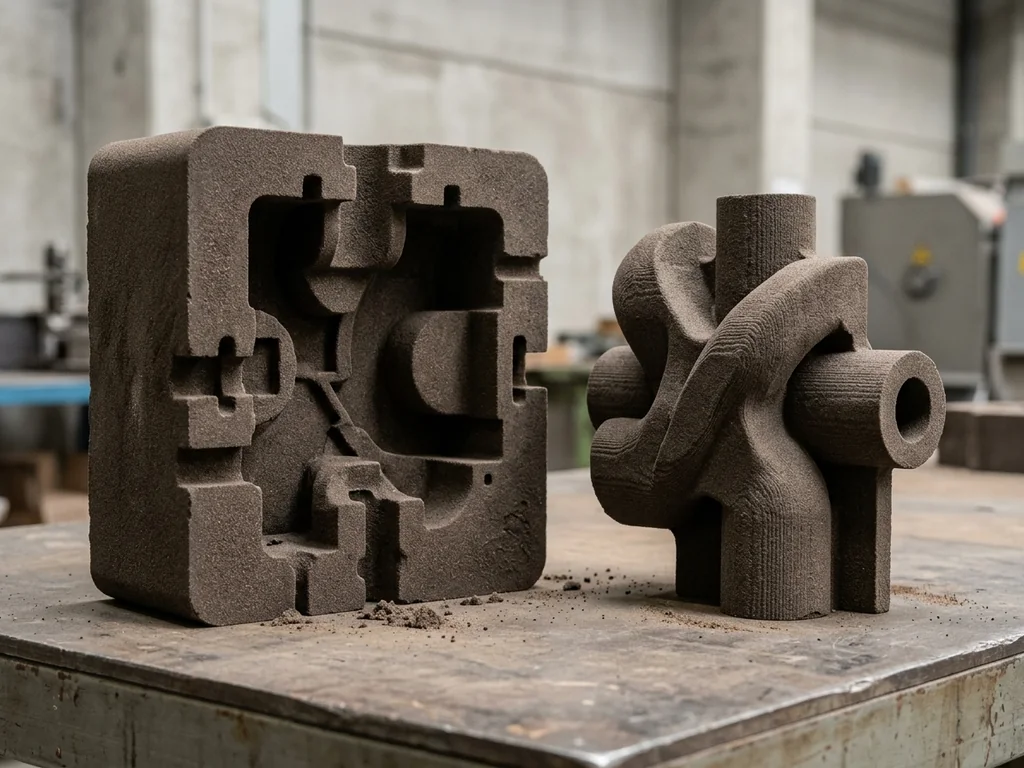
3D Printed Sand Casting Molds
Printed sand can form molds and cores directly without a conventional pattern. Consider this mold-making method for complex internal geometry or design changes, then review the alloy, mold construction, quantity and complete project cost.
Pattern-free mold option
Complex cores
Supply review

Mold Preparation
Sand is formed around the pattern to create the mold cavity. Cores are added to produce internal holes, passages, or enclosed features.
Mold cavity
Core passages
Alloy kept separate
Sand Casting: Typical Engineering Reference
These typical sand-casting references connect alloy and casting geometry with inspection requirements. Final dimensions and manufacturing limits are agreed for the actual part rather than assumed from the table. These figures are typical process design references from the supplied capability profiles. They are not verified LEAD MFG equipment ratings or a guarantee for every order; achievable values depend on material, geometry, size, tooling, processing method and agreed inspection scope. On narrower screens, scroll horizontally to see all conditions.
Parameter | Capability | Conditions |
|---|---|---|
Maximum Part Size | 3,000 × 2,000 × 1,000 mm | 1,200 × 1,000 × 600 mm is a resin-sand machine-molding example; larger parts require an appropriate foundry and may need segmentation or weld-up. |
Part weight reference | Up to 3,000 kg | 3,000 kg is an industry reference; verify the foundry’s melting capacity, lifting and, where applicable, pit-molding facilities for the proposed casting. |
Minimum Wall Thickness | Al 3.0 / iron 4.0 / steel 5.0 mm | Conditional: Al 2.5 mm locally. Thin walls need higher pouring temperature; porosity risk rises |
Draft Angle | 1° external, 2–3° internal | Conditional: 0.5° external (hand moulding). Small drafts are possible by hand, at a higher scrap rate |
Machining Allowance | 2–3 mm | Conditional: 4–5 mm on large parts. Insufficient allowance exposes as-cast skin |
Minimum Cast Hole | φ8 mm and ≥ wall thickness | Conditional: φ5 mm (resin sand with core). Smaller holes are drilled afterwards |
Surface Roughness | Ra 12.5–25 μm | Ra 6.3–12.5 µm is a resin-sand or blasted reference; actual surface depends on mold sand, casting process and preparation. |
Linear ≤100 mm | ±0.8 mm | Conditional: ±0.5 mm. Derived from DCTG 9–11 / 7–8 |
Linear 100–300 mm | ±1.2 mm | Conditional: ±0.7 mm. Affected by shrinkage and mould stiffness |
Linear >300 mm | Drawing-specific tolerance | ±1.5 mm is a source example for dimensions above 300 mm, not a uniform limit; agree the DCTG and tolerance for the actual size and molding method. Conditional ±0.9 mm is also a reference, and machined faces require separate datum and inspection review. |
Wall thickness | ±10% | Conditional: ±6%. The most frequent deviation |
Machined face Ra | Ra 3.2 μm (milled) | Conditional: Ra 1.6 μm (ground). As-cast Ra 12.5–25 |
Airtightness | 0.3 MPa / 30 s, no leak | Conditional: 0.6 MPa / 60 s. Impregnation quoted separately |
As-cast grade reference | DCTG 9–11 | Precision DCTG 7–8; size-specific dimensional values are approximate examples from the technical reference, not an ISO conversion table. |
Sand Casting Materials
A casting grade must be considered together with its material condition. Mechanical requirements, environment, heat treatment, machining and inspection determine suitability for the part; a material-family name alone is insufficient. These are finished-casting alloy references, not mold or core sand; availability and manufacturing method are confirmed for the project.
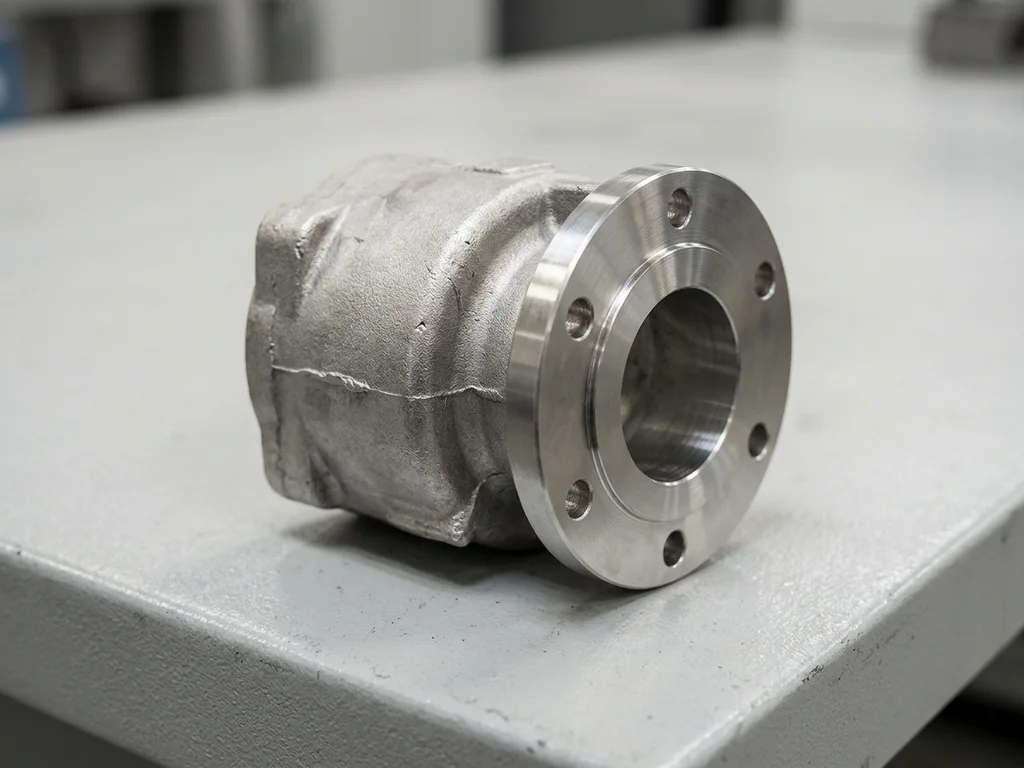
Stainless Steel

Cast Steel
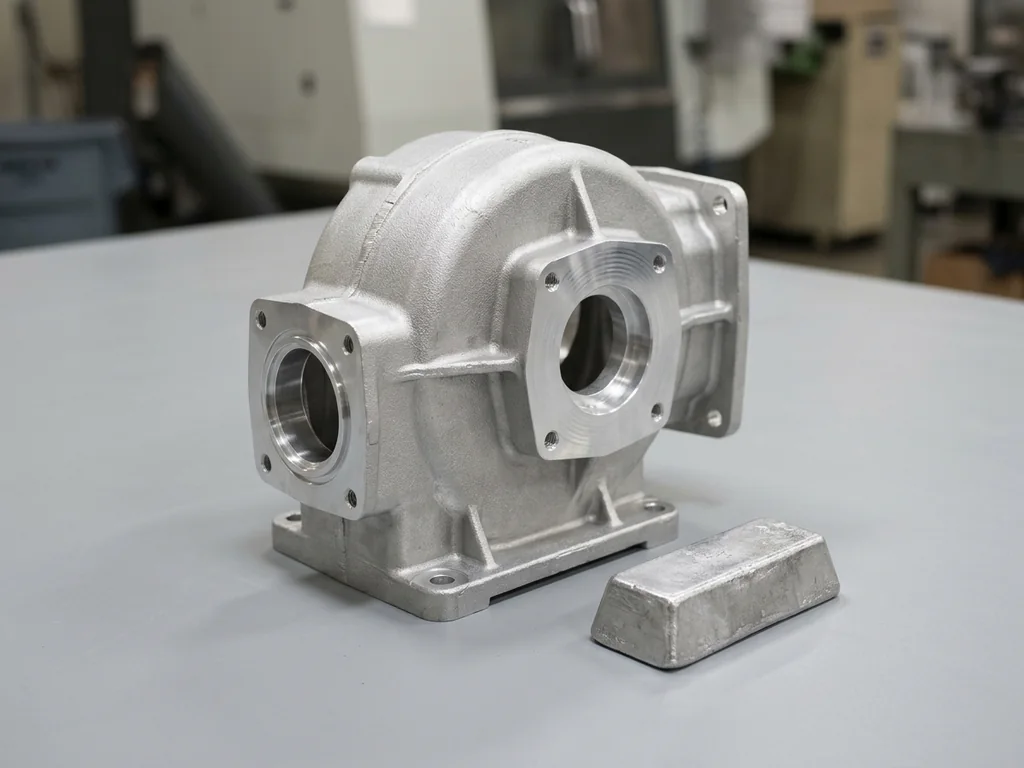
Aluminum
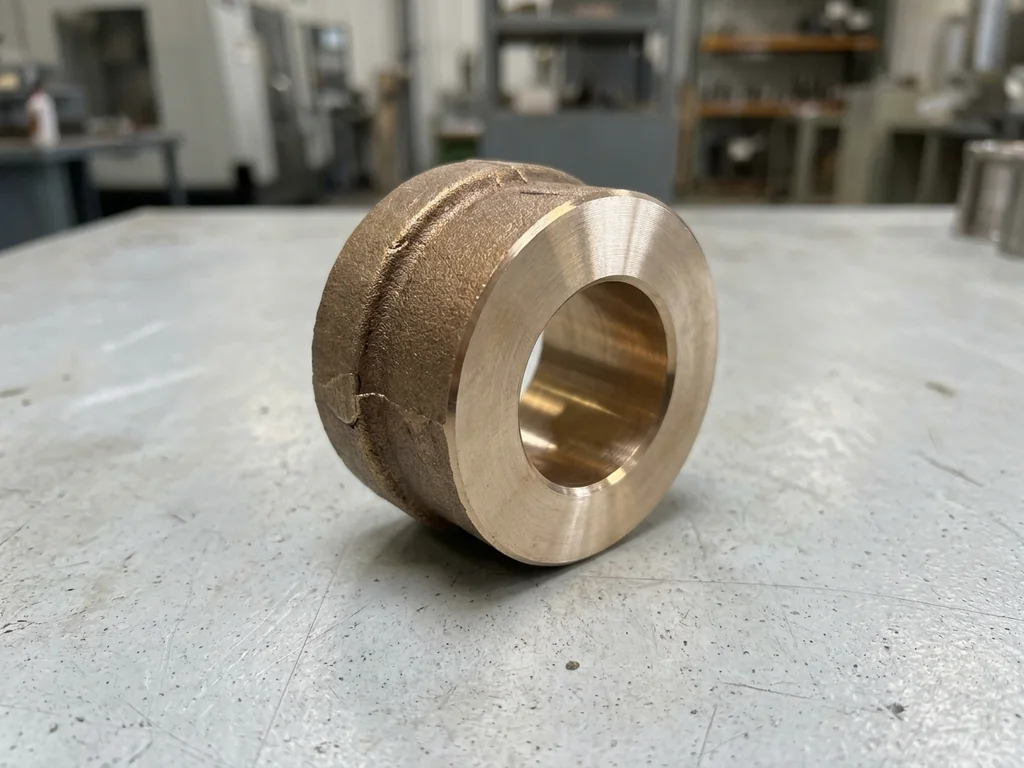
Copper Alloys
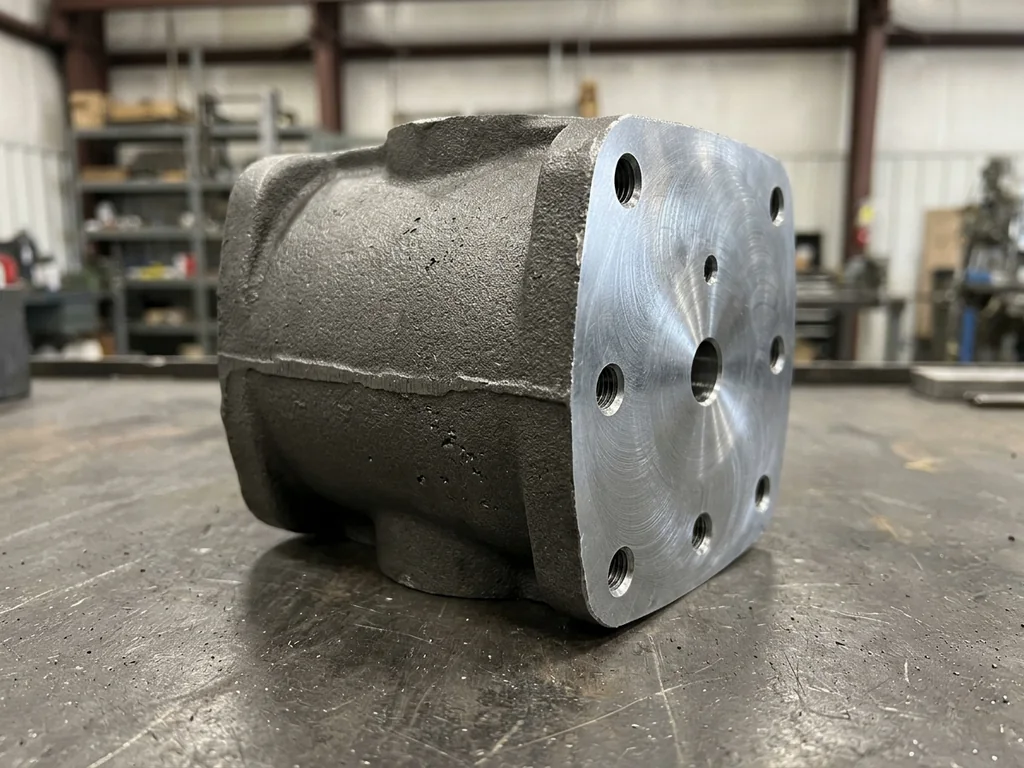
Cast Iron
Surface Finishing Services for Sand Cast Parts
The casting alloy and service conditions influence which finish is suitable. Color, cosmetic faces, preparation, secondary operations and an acceptance reference must be agreed before appearance becomes a production requirement.
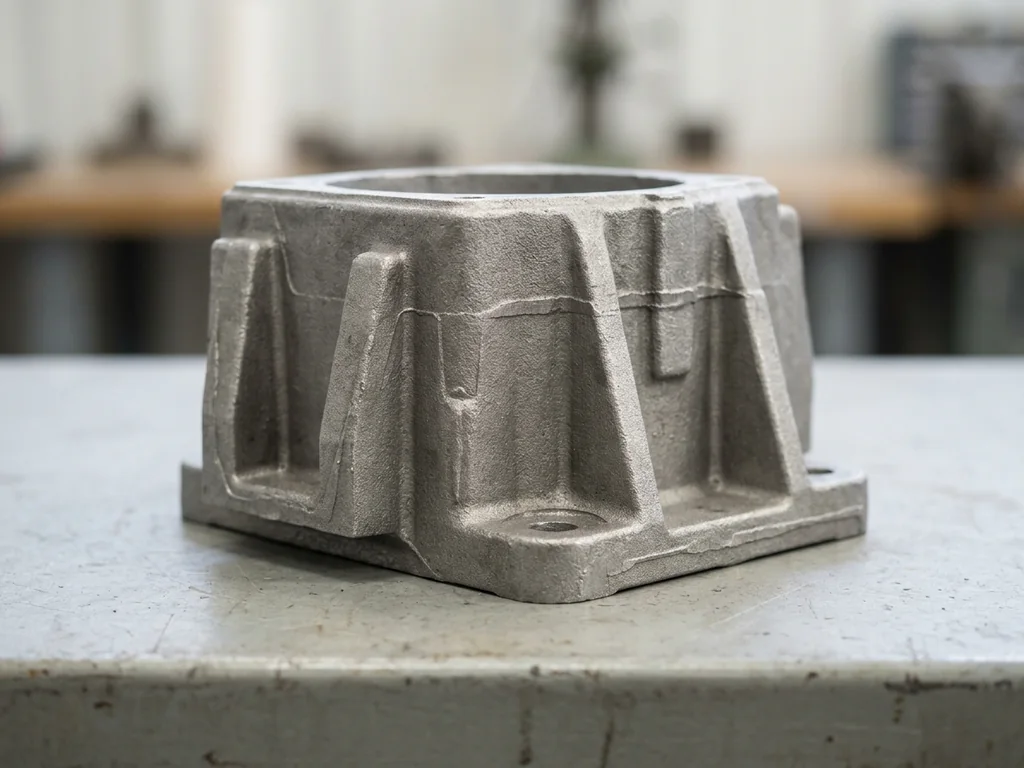
As Cast
As Cast
Retains the natural cast surface for parts where appearance and fine surface quality are not primary requirements.
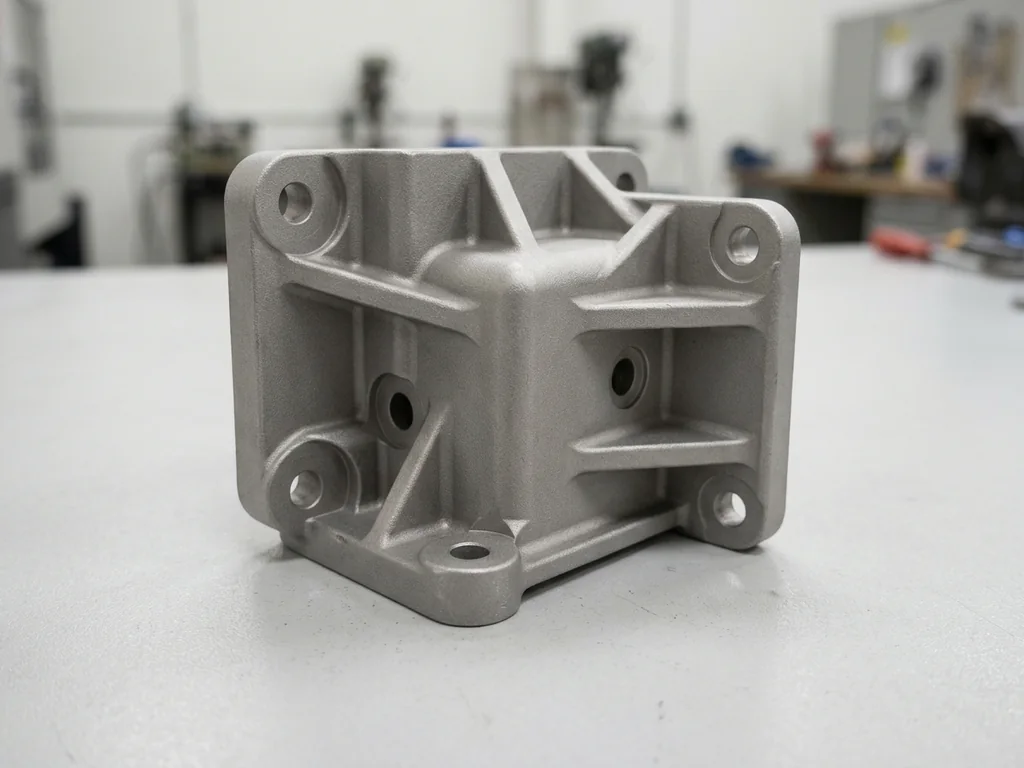
Sand Blasting
Sand Blasting
Removes residual sand, scale, and surface contaminants while creating a cleaner and more uniform surface texture.
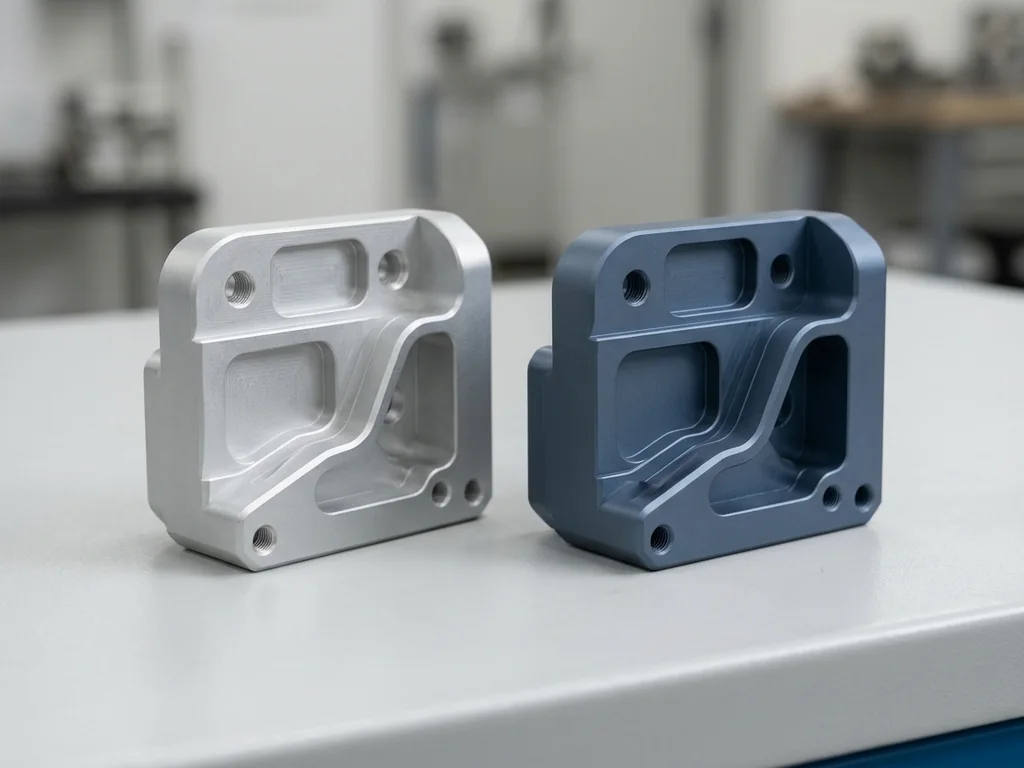
Anodizing
Anodizing
For aluminum castings, review the alloy, cast surface, corrosion exposure and desired color before selecting anodizing. Agree the appearance and acceptance reference for the part.
Coating Requirements
Coating Requirements
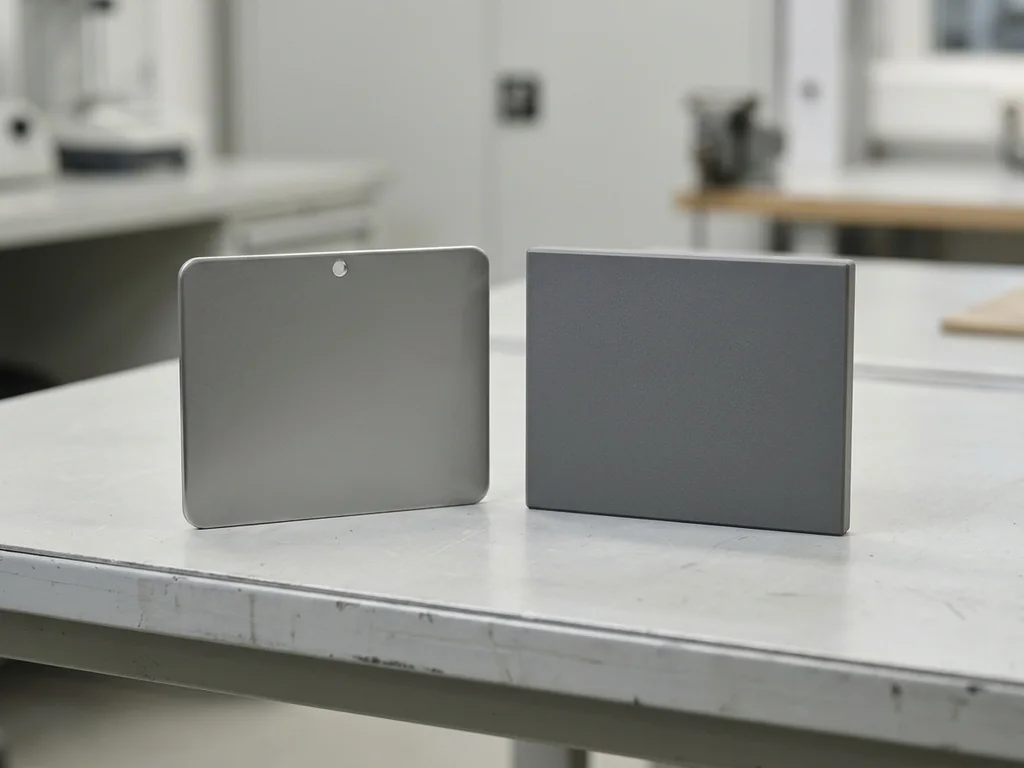
Coating selection depends on type, color, texture and service exposure. Powder coating or e-coat must be reviewed with the casting’s required appearance and acceptance criteria.

Vacuum Impregnation
Vacuum Impregnation
Impregnation is a listed option for porosity sealing in aluminum and iron castings. State the leak or pressure test, sampling and acceptance criteria for the project.
Powder Coating
Powder Coating
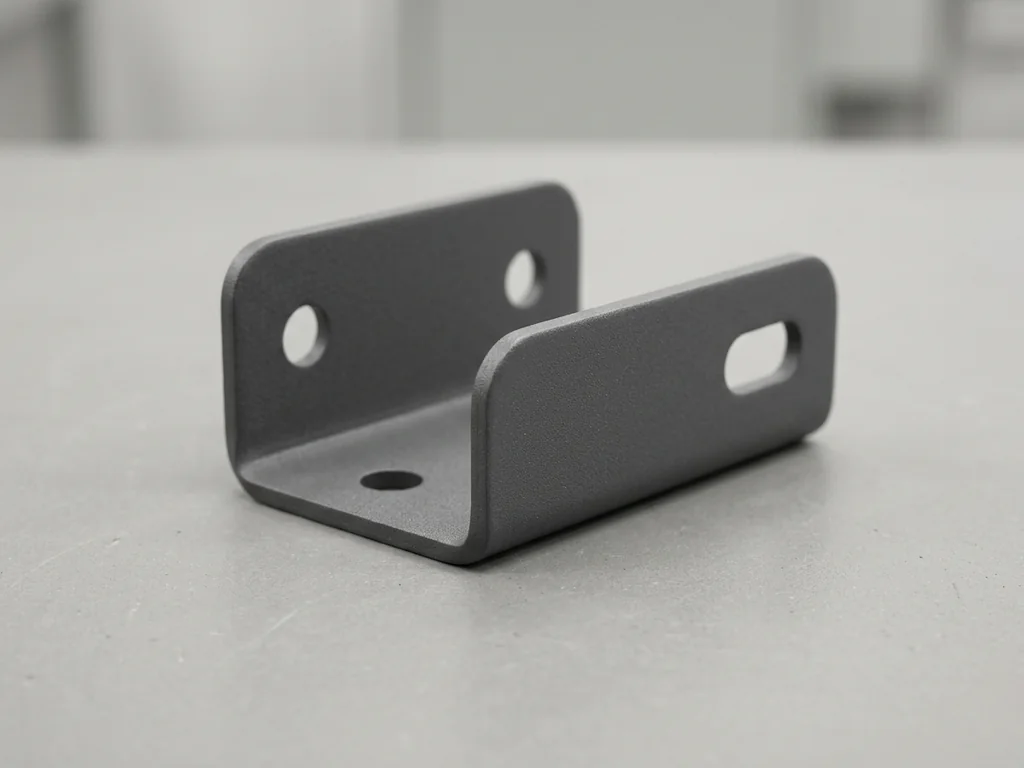
Powder coating is assessed against the alloy, prepared surface and service environment. The quotation confirms the coating specification, color and acceptance reference.




Industry slide guide: 1: Aerospace; 2: Automotive; 3: Industrial Equipment; 4: Energy Equipment; 5: Electronics Enclosures; 6: Robotics.
Sand Casting for Aerospace
Aerospace requests need defined loads, material condition, traceability and qualification requirements before the casting process is considered.
View MoreSand Casting for Automotive
Automotive housings and brackets are reviewed around geometry, mating datums and operating temperature, including any leak or pressure requirements.
View MoreSand Casting for Industrial Equipment
For equipment housings and supports, review the casting alloy, pattern, core access and the interfaces that require machining.
View MoreSand Casting for Energy Equipment
Energy-equipment parts bring function, loading, fluid exposure, temperature and sealing into the same review. The alloy and finished-part requirements must match the drawing.
View MoreSand Casting for Electronics Enclosures
Electronics enclosures need defined geometry, mounting datums, thermal exposure and cosmetic finish requirements for the proposed component.
View MoreSand Casting for Robotics
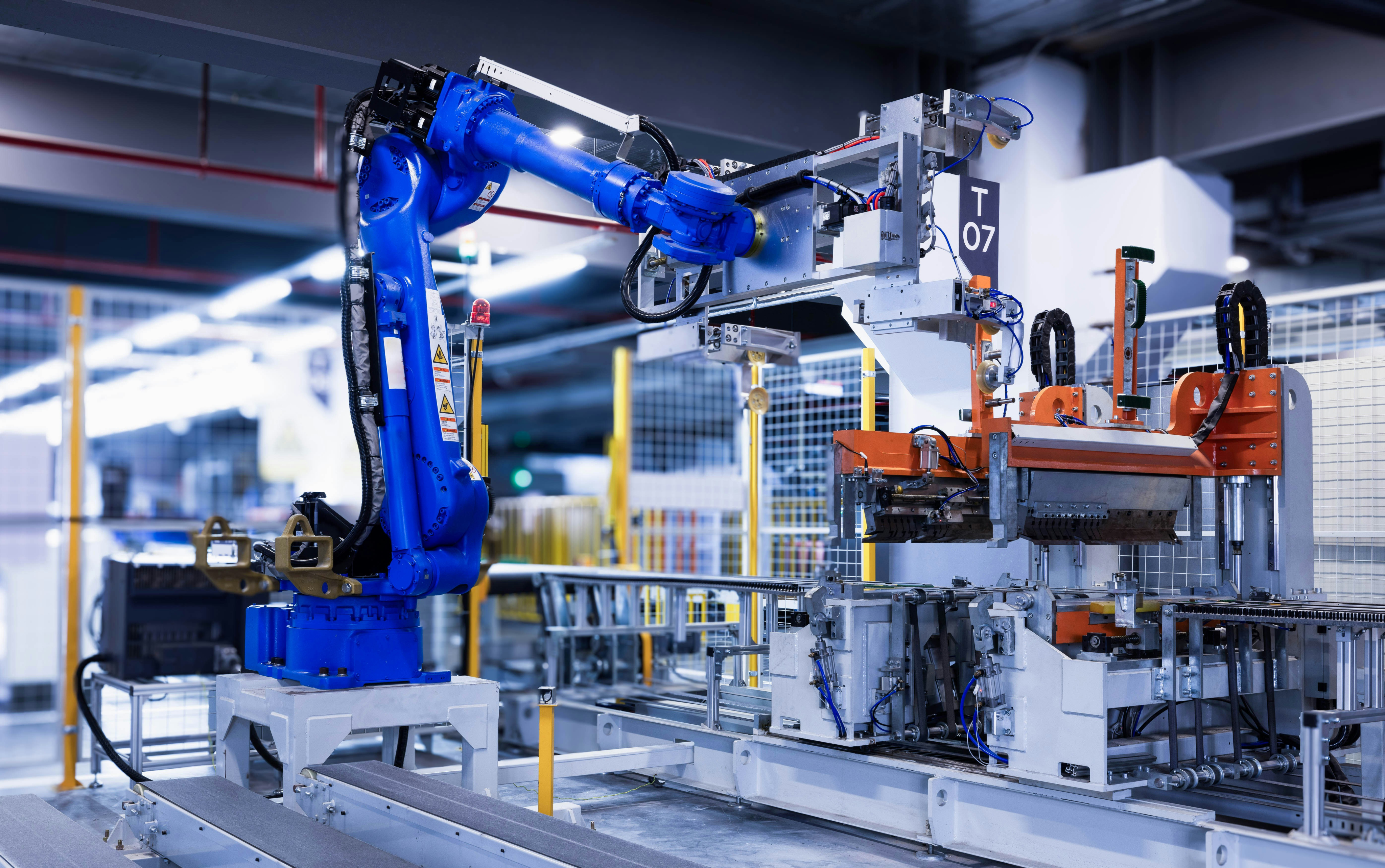
For robot housings and supports, define loading, part geometry, alloy, machining allowance and the required inspection.
View MoreFrequently asked questions
These answers cover manufacturability, lead times, materials, finishes, quality documents and compliance. A quotation discussion or the Help Center provides the next step when more detail is needed.
What factors have the biggest impact on sand casting cost?

Part size and weight, alloy, cores, pattern requirements, quantity, heat treatment, machining and inspection affect the quotation. Our minimum order is one piece, with typical orders of 10–1,000 parts. Discuss tooling and sample requirements as part of all work included in the project.
Should I cast a feature to final size or machine it afterward?
Features with tight tolerances, sealing surfaces, bearing fits, threads, or precise mating requirements are usually better finished by CNC machining. Less critical geometry can often remain as-cast to reduce machining time and overall cost.
What inspection documents should I request?
Document requests should identify material records, dimensional checks, sampling coverage and report format in the quotation. Sampling inspection reports are free; full-inspection and FAI reports are paid services. Availability and acceptance scope are confirmed before production.
What information do I need to provide for a sand casting quote?
We can sign an NDA upon request before you share design files. A 3D model is required and a 2D detail drawing is recommended. Include the alloy and condition, quantity, critical dimensions, machining, finishing and inspection requirements.
How is the project schedule agreed?
For 10–100 parts, the company’s 3–10 business-day manufacturing window is a reference only after the foundry, suitable tooling, material and processing scope are confirmed. Tooling and other quantities need separate scheduling; final production and transit times are agreed in the quotation. Routine expediting is unavailable.