



Industrial Equipment Components
Industrial-equipment components are assessed from the released drawing, material and quantity. Critical interfaces, inspection and application-specific evidence establish the requirements for selecting a manufacturing process.
Drawing-led manufacturing review
Prototyping to production
Material and process review
Project-specific inspection
Share your drawings for review
Schedule confirmed per project
Why Manufacture Industrial Equipment Components With LEAD MFG?
Defined machine components, fixtures, housings and mechanical interfaces can be reviewed with LEAD MFG. Loads, wear, pressure, sealing, material traceability and tests must be specified. A component quotation does not promise complete machinery, system performance or safety certification.

Drawing-Based Acceptance
For CNC machining, the process references distinguish part-to-part repeatability of ±0.010 mm from hole position of ±0.020 mm. They are not blanket tolerances for every material or industry part; define the feature, datum, geometry, workholding and measurement conditions for drawing-specific agreement.

A Quoted Schedule
For 10–100 parts, manufacturing is usually 3–10 working days after quotation confirmation. Tooling, other quantities and special requirements need separate schedules. Expedited production is not normally available; the quotation defines the work to be provided and timing.

Engineering Support
Material, process, inspection and required documents are identified in the quotation. Additional design-for-manufacturing work and charges need agreement; a certificate or process name does not guarantee application compliance or system performance.

Drawing and Material
Define the current drawing, material and critical features for a project-specific manufacturing review.

Manufacturing Process Review
The process, quantity, tooling and inspection scope are confirmed for each component.

Qualification Requirements
Identify project-specific qualifications, tests and acceptance evidence before placing the order.

Industrial Equipment Prototyping and Manufacturing with LEAD MFG
The RFQ concerns a mechanical component and its function, not an assumed complete industrial machine or pressure/safety system. Topics below help define that request.
Review critical dimensions and material
Define inspection and acceptance requirements
Confirm process, quantity and production schedule
Examples of project topics for discussion
Machine-component drawings
Housing and mounting details
Conveyor interface drawings
Pump-part interface requirements
Machine interface geometry
Equipment mounting requirements
Jig and fixture definitions
Pressure/sealing requirements
We Help From Prototyping to Production
Start With Your Drawing
Prototype planning identifies the component checks, material and stock condition, geometry, quantity and sample price. Testing responsibility and acceptance evidence need definition because a prototype alone does not validate the complete system or application.
A repeat inquiry is checked against the approved revision, material availability, quantity, inspection and delivery requirements. Changes may affect the quotation, tooling and schedule. Neither unlimited scaling nor an unchanged outcome is guaranteed.

01
Prototype Requirements
Prototype planning identifies the component checks, material and stock condition, geometry, quantity and sample price. Testing responsibility and acceptance evidence need definition because a prototype alone does not validate the complete system or application.
Released design and material reference
Critical interfaces and fit checks
Quoted sample quantity and conditions
Defined test and acceptance scope
02
Engineering Review
The selected process provides the context for questions about material, geometry, tooling, interfaces and inspection. Additional engineering support is authorized only after the work, deliverables and charges are agreed.
Tooling and process questions
Assembly and interface requirements
Agreed manufacturing review work
03
Sample Acceptance
Approve representative components against the agreed drawing, material and sample criteria. Product-level, functional or regulatory validation is a separate requirement and must not be inferred from dimensional inspection.
Sample and dimensional checks
Appearance and finish reference
Test and documentation requirements
04
Batch Release Planning
A first batch needs a confirmed quantity, released drawing, tooling or fixture status, material and sampling plan. Capacity, secondary operations and the schedule are assessed against the actual work before release.
Batch quantity and release revision
Tooling and fixture approvals
Sampling and report requirements
Open changes and release criteria
05
Repeat Production
A repeat inquiry is checked against the approved revision, material availability, quantity, inspection and delivery requirements. Changes may affect the quotation, tooling and schedule. Neither unlimited scaling nor an unchanged outcome is guaranteed.
Confirmed batch quantity
Released material and drawing
Agreed secondary operations
Required inspection records
Our Manufacturing Services
These manufacturing options help evaluate the component drawing. Actual-order assessment still covers material, geometry, tooling, capacity, finishing and inspection; the list implies no industry-specific qualification or product/system guarantee.
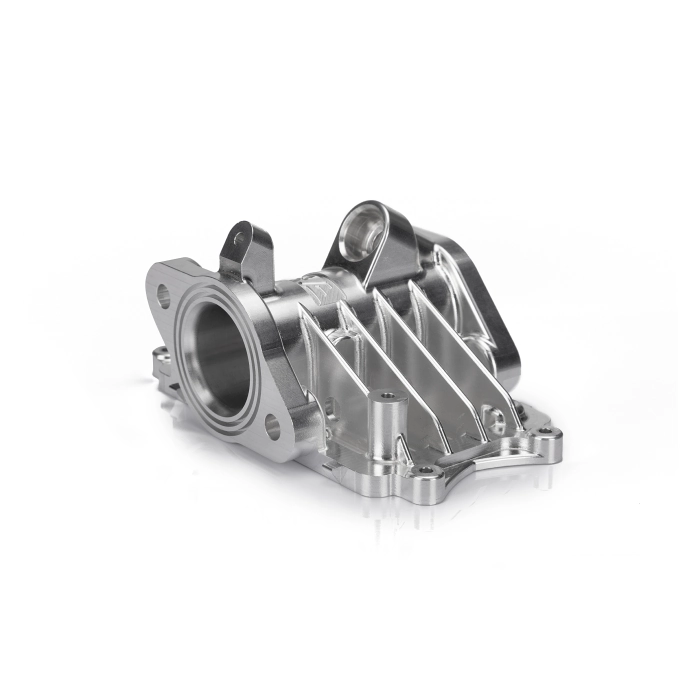
CNC Machining
Stock grade, part geometry, datums and workholding establish the CNC review, together with secondary features and inspection requirements.
Explore process →
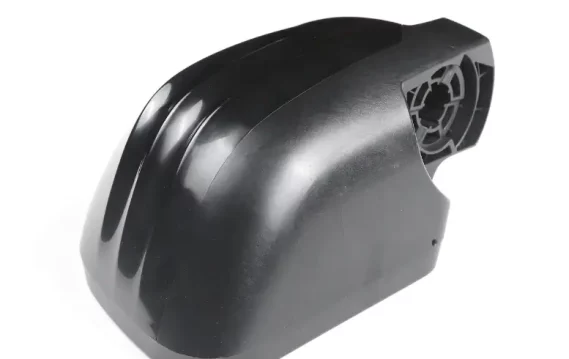
Injection Molding
Injection-molding requirements connect resin grade and geometry to shrinkage, tooling, trial quantities and acceptance. Those inputs define the work to be confirmed.
Explore process →
Sheet Metal Fabrication
Fabrication assessment depends on sheet grade and thickness, bends, joints and interfaces, together with finish and inspection requirements.
Explore process →
SLA 3D Printing
Resin, orientation, supports, finish and component checks define an SLA request. SLS and SLM references do not establish availability or self-operated production; they require a separate supply and feasibility assessment.
Explore process →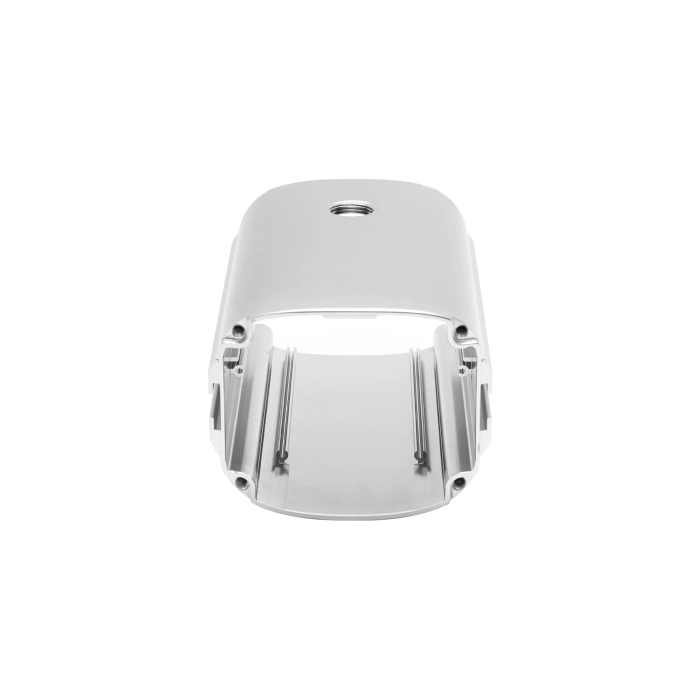
Extrusion Supply Assessment
Extrusion supply needs a separate assessment of material, cross-section, cut length, tooling and demand. The process, supply arrangements and availability must be confirmed.
Explore process →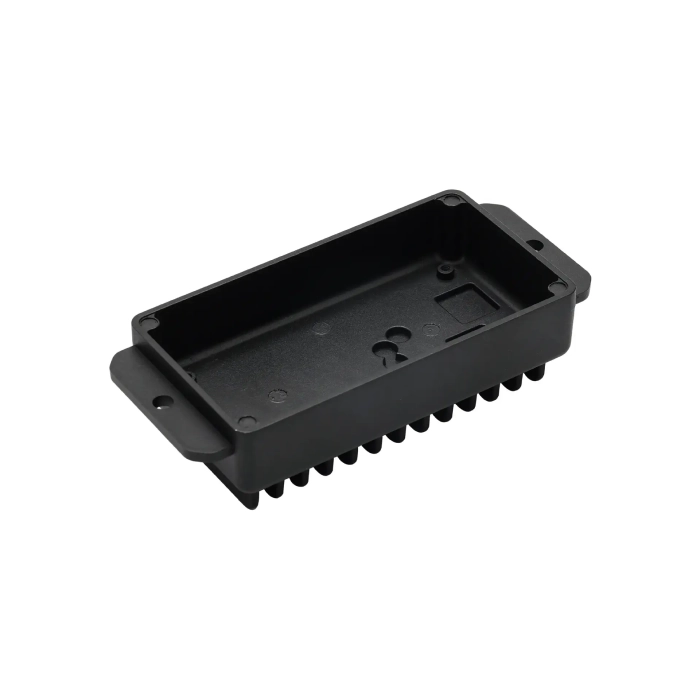
Die Casting
Alloy, casting geometry, die and trial requirements form the basis of a casting quotation, along with secondary machining, finish and inspection.
Explore process →
Polyurethane Molding
The selected cast-urethane compound, master, mold, quantity and sample acceptance define the casting request. A prototype that fits is not evidence of end-product qualification.
Explore process →
Wire EDM
Material, profile, workholding, critical features and edge or inspection requirements determine what needs assessment for wire EDM.
Explore process →
Engineering Possibilities
The RFQ concerns a mechanical component and its function, not an assumed complete industrial machine or pressure/safety system. Topics below help define that request.

Component Topics
Share drawings and requirements for these component topics.
Machine-component drawings
Housing and mounting details
Conveyor interface drawings

Interface Topics
Share drawings and requirements for these component topics.
Pump-part interface requirements
Machine interface geometry
Equipment mounting requirements

Project Requirements
Share drawings and requirements for these component topics.
Jig and fixture definitions
Pressure/sealing requirements
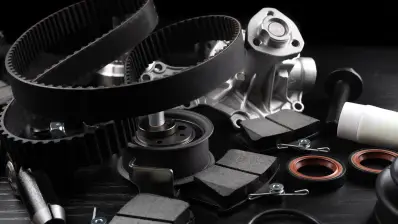

Material Library
We offer a wide range of material options across our processes. Common material references for industrial equipment projects:
Metals & plastics
100+
Surface finishes
50+
Traceability
Mill certs on request
On smaller screens, scroll horizontally to view all columns.
Material | Best Process | Typical Component Use |
|---|---|---|
Aluminium 6061-T6 | CNC machining, rapid tooling | Brackets, housings, jigs |
Aluminium 7075-T6 | CNC machining, rapid tooling | Structural brackets, fixtures |
Steel 4130 | CNC machining, sheet metal | Frames, mounts |
Stainless 17-4PH | CNC machining, metal 3D printing* | Shafts, fasteners, sensor bodies |
Magnesium AZ31 | CNC machining | Lightweight housings |
ABS | CNC machining, injection molding | Enclosures, covers |
Polycarbonate (PC) | CNC machining, injection molding | Lenses, light guides |
PC/ABS | Injection molding | Housings, panels |
PA66-GF30 | Injection molding | Structural housings |
POM (Delrin) | CNC machining | Bushes, clips, gears |
TPU 95A | Molding; SLS route assessed separately | Seals, grommets, boots |
Silicone | Liquid silicone injection molding | Gaskets, dust boots |
Material selection requires an exact grade, condition and supporting evidence. Guide entries are typical references; stock, substitutions and application suitability remain subject to confirmation for the order. Processes and applications are typical references. Material availability, documents and the production route are confirmed for each project. SLS and metal 3D printing require separate supply and feasibility assessment.
Surface Finishes
Thickness or roughness, masking, a physical appearance reference and required tests define the finish requirement. Generic finish descriptions and images cannot establish durability, corrosion or regulatory performance.

As Machined
As Machined
An as-machined finish retains machining marks. Specify visible faces, surface roughness, deburring and edge treatment for the part.
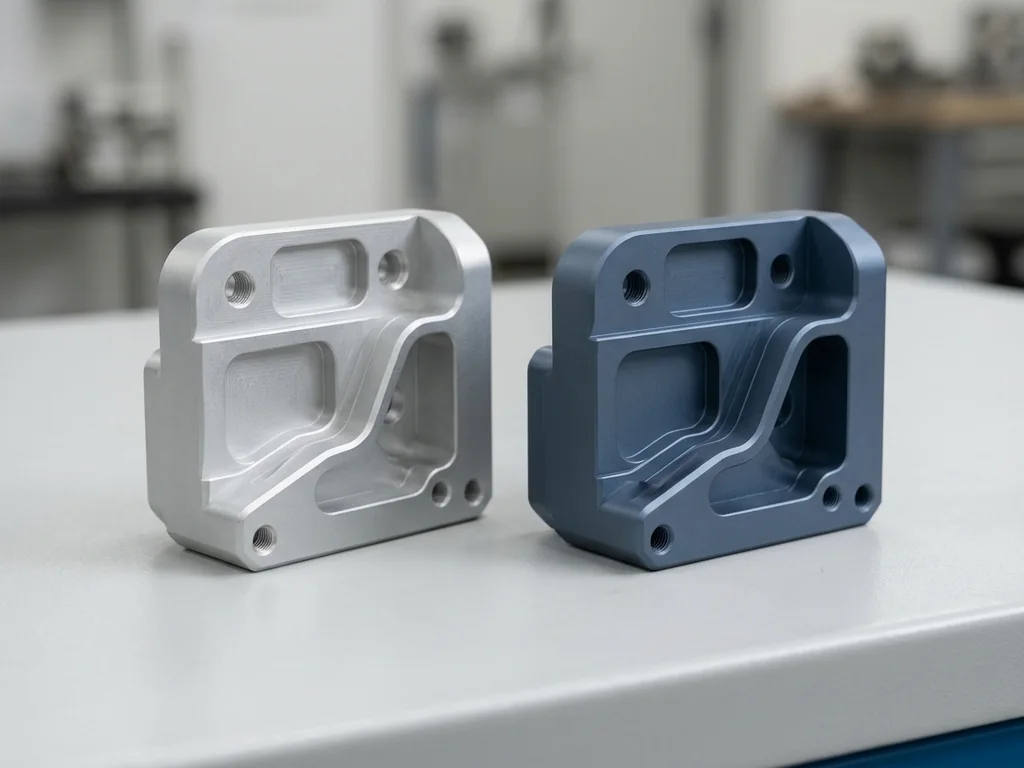
Anodizing
Anodizing
For suitable aluminum grades, specify anodizing type, color and masked functional faces. Film allowance and an agreed appearance sample belong in the drawing and quotation.

Polishing
Polishing
Polishing is reviewed against the substrate, desired appearance and dimensional allowance. Identify visible faces and acceptance requirements before specifying a high-gloss surface.
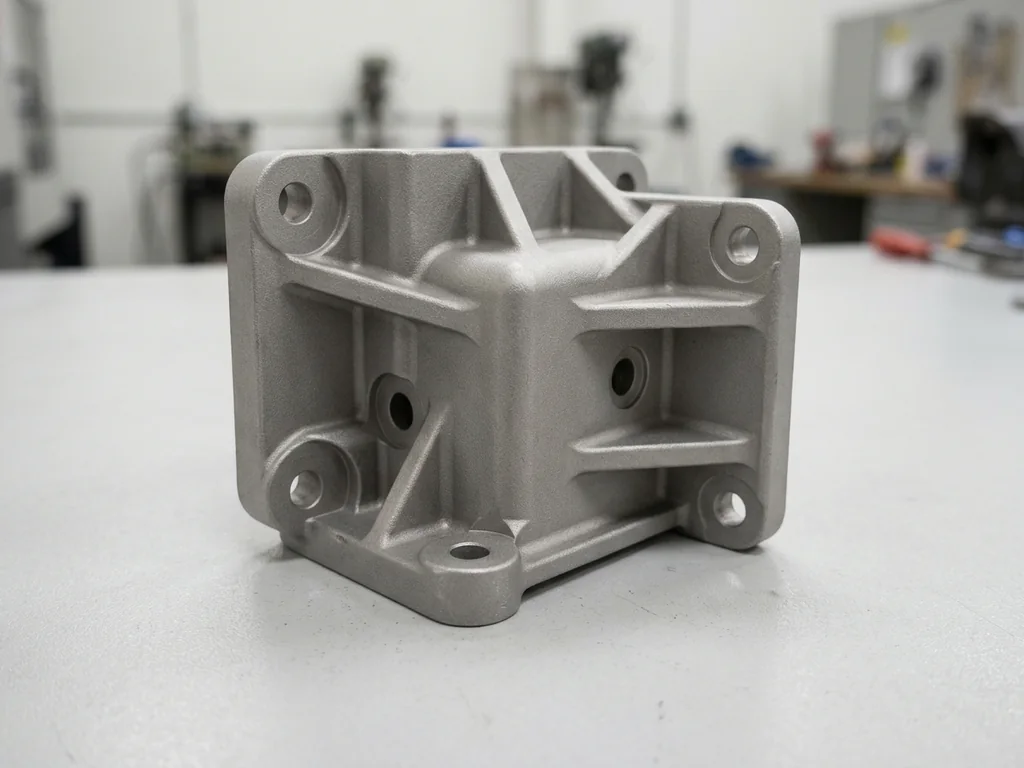
Sand Blasting
Sand Blasting
Blasting changes surface texture. Define the media or texture target, visible faces and areas to mask, especially threads and mating surfaces.
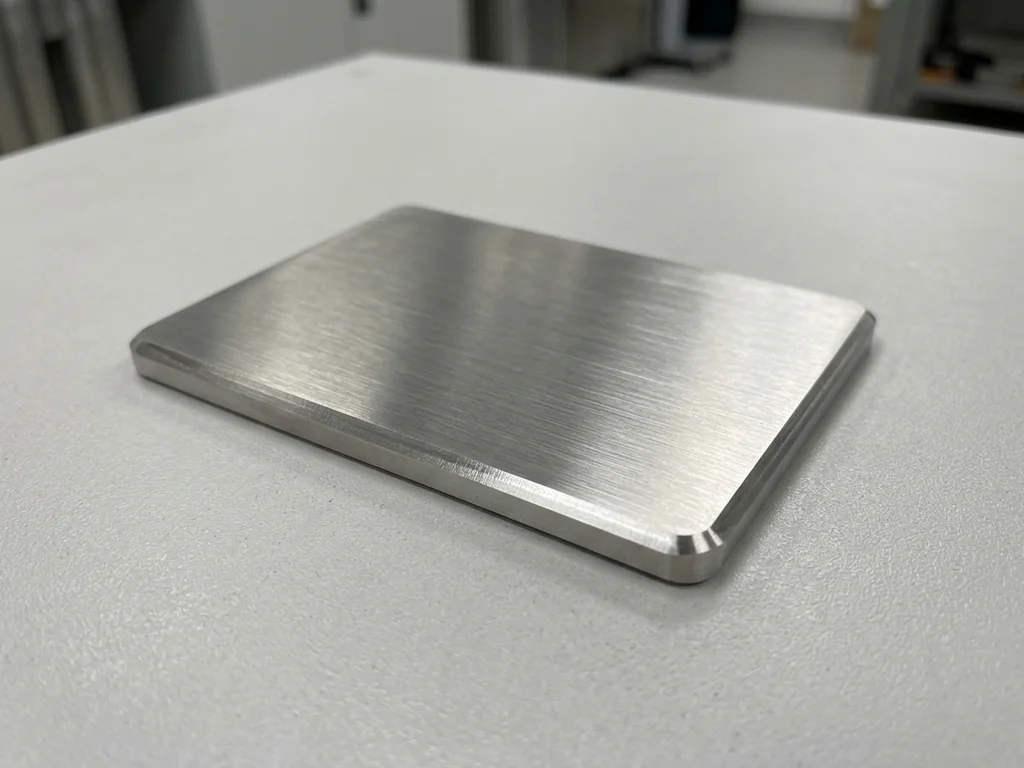
Brushed Finish
Brushed Finish
A brushed finish has a direction. Mark the grain direction, visible faces and texture requirement so the finished surfaces can be assessed together.
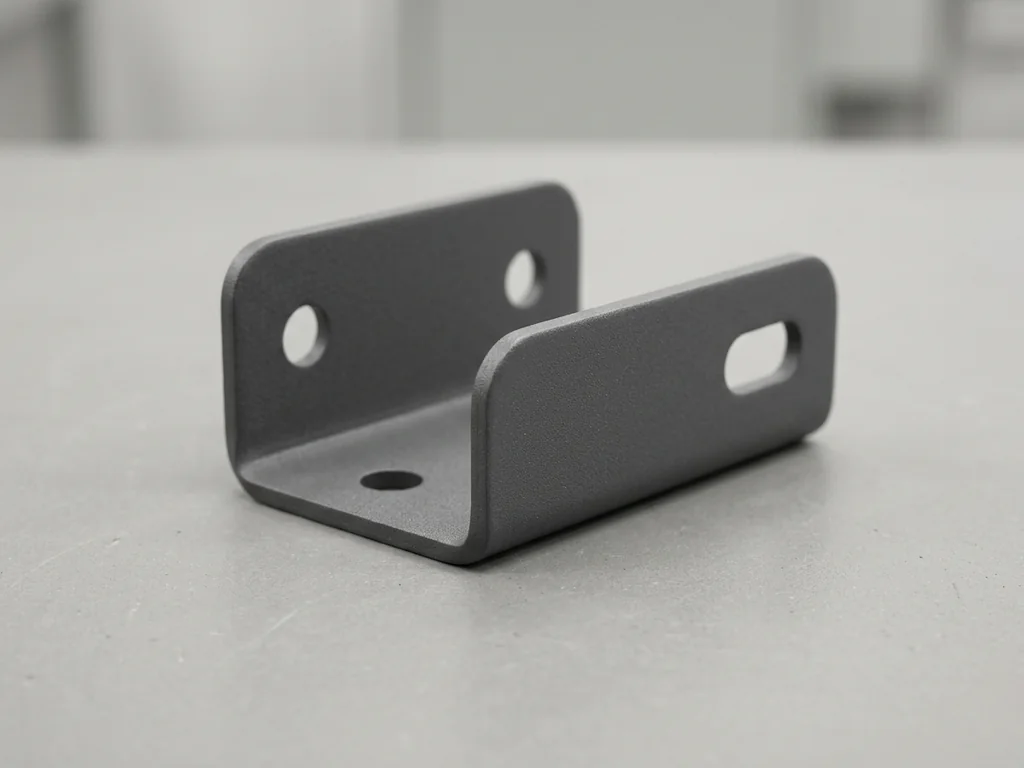
Powder Coating
Powder Coating
For powder coating, specify the substrate, color, texture, film requirement and masked areas. Coating allowance and sample acceptance are part of the quotation.

Electroplating
Electroplating
For a plated finish, state the substrate, coating system, thickness requirement and masked functional areas. Fit and performance requirements need project-specific review.

Black Oxide
Black Oxide
A black appearance does not establish salt-spray duration or unchanged fit. Base grade, appearance, sealing and acceptance requirements define the black-oxide review.
Quality and Documentation
Certification and inspection requirements are reviewed for the manufacturing entity, process and order.
Drawing revision
An approved drawing and critical features form the inspection basis.
Inspection scope
Agree the required checks and acceptance criteria before production.
Inspection reports
Sampling reports are free; full inspection and FAI reports carry a fee.
Certificate requests
Confirm the named entity, document scope and current status with our team.
What types of industrial equipment parts can LEAD MFG manufacture?
Submit the defined component drawing, material, load and environment, interfaces and critical checks for assessment. Machined parts, fixtures, frames, housings or formed components need their own manufacturing process and acceptance requirements; pressure equipment, safety systems and complete-machine performance are not implied.
What tolerances can you hold on industrial parts?
Part-to-part repeatability of ±0.010 mm and hole-position reference of ±0.020 mm describe distinct CNC process measures. They are not blanket limits for every industrial part or assembly. Critical features, datums, material, geometry, workholding and measurement method need drawing-specific definition.
Which materials are available for industrial equipment components?
An exact grade, condition, traceability requirement and material or compliance evidence are needed for the drawing. Typical material guides do not confirm stock, substitutions or available documents. A material-family name also does not establish pressure, wear, load or application qualification.
How fast can you deliver industrial equipment parts?
For 10–100 parts, manufacturing is usually 3–10 working days after quotation confirmation. Tooling, other quantities, finishing and special inspection/testing need separate schedules. Expedited production is not normally available; confirm the production and delivery assumptions in the quotation.
Which quality and inspection documents should I request?
Required quality-system scope, material documents, dimensional records and customer tests need identification before quotation. Current status and availability need confirmation for the order. Sample inspection reports are free, while full inspection and FAI reports are charged. Neither a certificate nor a generic inspection statement guarantees every system or shipment outcome.